
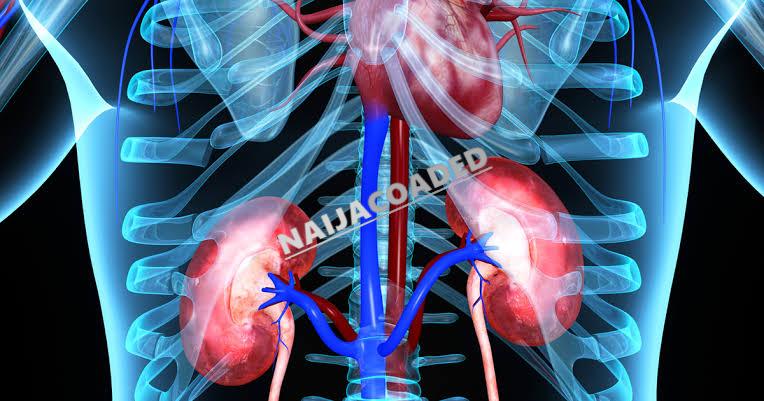
As National Kidney Month draws to a close, it remains important to raise awareness about the prevalence of chronic kidney disease (CKD) and how it can be prevented...READ FULL; FROM THE SOURCE.
The kidneys are responsible for filtering waste and excess fluids from the blood. When they become damaged, they are unable to perform this function effectively.
Over time, this can lead to chronic kidney disease (CKD) and, in severe cases, kidney failure.
A 2025 study found that CKD is a growing health concern, affecting between 11 and 14 per cent of adults, with over 25 million people potentially impacted. In Nigeria, many individuals remain unaware of the risk, often leading to late diagnosis and advanced stages of the disease.
Rather than focusing solely on risk, understanding everyday habits that contribute to kidney damage can help with prevention.
Without further ado, here are common habits that can affect kidney health.
Not drinking enough water
This shouldn’t be news anymore; staying hydrated is essential for kidney health. The kidneys rely on water to filter waste from the blood and produce urine.
When fluid intake is low, toxins can build up in the body, increasing the risk of kidney stones and infections. Severe dehydration can also impair kidney function over time.
Staying hydrated helps the kidneys function efficiently. For those with busy schedules, carrying a water bottle or setting reminders can help build a consistent habit. The recommended daily intake is about 2.7 litres for women and 3.7 litres for men.
Overuse of painkillers
Due to the daily hustle, many people rely on painkillers to manage physical stress and fatigue. However, frequent use of these medications can have harmful effects on the kidneys.
Drugs such as Ibuprofen, Aspirin, and other non-steroidal anti-inflammatory drugs (NSAIDs) can damage kidney tissues over time, especially when taken without medical supervision.
Studies have shown that long-term use or misuse of these medications may lead to analgesic nephropathy, a condition caused by damage to the kidneys’ filtering units.
These drugs can also reduce blood flow to the kidneys, increasing the risk of injury, scarring, and, in severe cases, chronic kidney disease.
Frequent consumption of energy drinks
This is another common habit that can be linked to daily physical stress. While it may seem like a quick fix, it should not become a routine.
Regular intake of energy drinks can negatively affect kidney health. These drinks are often high in caffeine and sugar, which can lead to dehydration and increase the risk of conditions such as type 2 diabetes and high blood pressure, both of which can strain the kidneys.
Excessive caffeine increases urine production, placing additional pressure on the kidneys, while high sugar intake may contribute to long-term damage when consumed frequently.
Studies have also linked excessive consumption of energy drinks to kidney-related issues, including impaired kidney function, increased creatinine and urea levels, and acute kidney injury. Their high caffeine, taurine, and sugar content can contribute to oxidative stress and long-term kidney strain.
Inactivity
A study estimates that one in three adults does not get enough exercise, contributing to a sedentary lifestyle.
A lack of physical activity has been linked to an increased risk of chronic kidney disease (CKD) and faster decline in kidney function.
Research shows that individuals with low activity levels may have up to a 30 per cent higher risk of kidney decline, while those who stay active tend to have better long-term kidney health.
Engaging in regular physical activity can help reduce these risks and support overall kidney function.
Holding in urine for too long
A study found that many women regularly delay urination due to poor sanitary conditions in public toilets. However, regardless of the reason, making this a habit can be harmful.
Frequently holding in urine puts pressure on the bladder and can cause urine to back up into the kidneys. Over time, this may lead to swelling (hydronephrosis), infections, and potential long-term kidney damage.
Chronic retention also allows bacteria to multiply, increasing the risk of urinary tract infections (UTIs), and promotes crystallisation that can lead to kidney stones.
It’s important to empty the bladder as soon as the urge arises.
Eating unhealthy foods
Certain everyday foods can put a strain on the kidneys when consumed excessively. Diets high in salt, sugary treats, heavily processed foods, or an overload of protein can all affect kidney function over time.
Excess salt raises blood pressure, forcing the kidneys to work harder, while too much sugar increases the risk of diabetes, a major contributor to kidney disease. Processed foods often contain additives and preservatives, with research showing that people who consume the most processed foods have a 24% higher risk of chronic kidney disease.
Consistently eating very high amounts of protein can also stress the kidneys, though this is usually only a concern for people with preexisting kidney disease.
Maintaining a balanced diet with moderate salt, sugar, and protein intake, while prioritising whole, natural foods, supports long-term kidney health.
Many of these habits are part of daily life, making them hard to avoid, but small, intentional changes can go a long way in protecting kidney health.
Do you want to easily get our latest news fast? kindly follow our Whats-app Channel via this Link Here Now.
Copyright 2026 Naijacoaded. All rights reserved. This material, and other digital content on this website, may not be reproduced, published, broadcast, rewritten or redistributed in whole or in part without prior express written permission from Naijacoaded.