
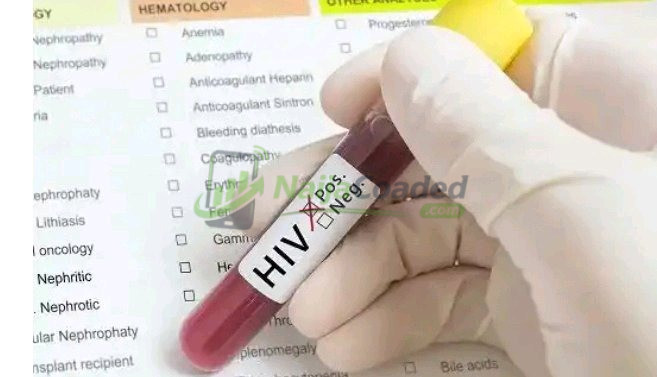
Human Immunodeficiency Virus (HIV) attacks the body’s immune system by attaching to specific immune cells.
Once it enters these cells, the virus inserts its genetic material and uses the cell to produce more copies of itself. Over time, this process weakens the immune system, making it harder for the body to fight infections.
Although HIV can infect most people who are exposed to it, scientists have discovered that a very small number of individuals have natural resistance to the virus. Research suggests that several biological factors may explain why these people are less likely to become infected...To Read The Full Content; Tap Here Now .
One of the main reasons is the presence of high levels of cytokines. Cytokines are proteins that help regulate the body’s immune response by controlling inflammation and coordinating the activity of immune cells. In some individuals, increased levels of certain cytokines can reduce the ability of HIV to enter healthy cells and slow the virus’s ability to multiply, particularly strains that rely on the CCR5 receptor to infect immune cells.
Another possible explanation is an unusually effective immune system. Some people naturally produce immune responses that recognize and destroy HIV before it can establish a lasting infection. Their immune cells respond quickly and efficiently, limiting the virus’s ability to spread throughout the body. Although this type of immune protection is uncommon, it has become an important area of medical research aimed at improving HIV prevention and treatment.
Genetics also play a significant role. A rare genetic variation known as the CCR5-delta32 mutation changes the structure of the CCR5 receptor found on the surface of certain immune cells. Because many HIV strains use this receptor to enter cells, people who inherit two copies of this mutation have a high level of resistance to those strains of the virus. While the mutation exists in only a small percentage of the global population, it has provided valuable insights into how HIV infects the body.
A fourth factor involves cytotoxic T-lymphocytes, also called killer T cells. These specialized immune cells identify and destroy virus-infected cells before the infection spreads further. People with especially strong cytotoxic T-cell responses may be better equipped to control HIV after repeated exposure, reducing the likelihood that the virus will establish a permanent infection.
Despite these natural protective factors, they are rare and should not be relied upon for protection. The most effective way to reduce the risk of HIV infection remains practicing proven prevention methods, including safe sex, avoiding the sharing of needles, regular testing, and using preventive medications when recommended by healthcare professionals.
Early diagnosis and prompt treatment also help people with HIV live long and healthy lives while reducing the risk of transmitting the virus to others.