
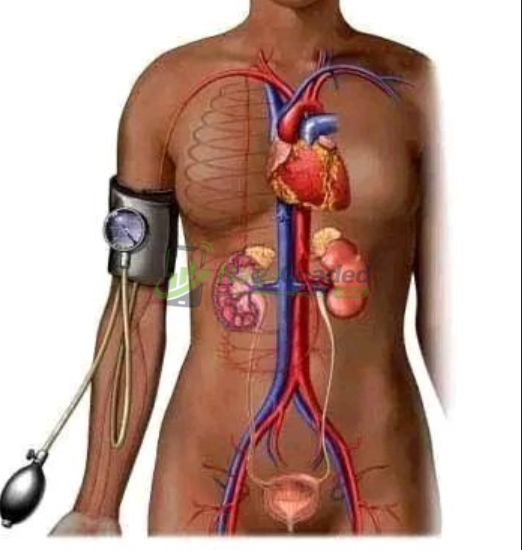
High blood pressure, also called hypertension, is a common health condition that affects millions of people.
It happens when the force of blood pushing against the walls of the arteries stays too high for a long time. Many people do not know they have it because it often develops without clear signs.
This is why it is known as the “silent killer.”..To Read The Full Content; Tap Here Now .
Although many people have no symptoms, some may notice warning signs when their blood pressure becomes very high. One common symptom is a severe headache that does not go away easily. The pain may feel stronger than a normal headache and may come with dizziness.
Some people experience blurred or double vision. High blood pressure can affect the tiny blood vessels in the eyes, making it difficult to see clearly. If this happens suddenly, it is important to seek medical attention.
Chest pain and shortness of breath can also be symptoms of dangerously high blood pressure. These signs may mean the heart is under extra strain. If chest pain is severe or comes with difficulty breathing, immediate medical care is needed.
Another possible symptom is frequent nosebleeds. While nosebleeds can happen for many reasons, repeated bleeding together with high blood pressure should not be ignored.
Some people may feel unusually tired, confused, or have trouble concentrating. Others may notice a pounding heartbeat or feel their heart racing. These symptoms can affect daily activities and should be checked by a healthcare provider.
In very serious cases, high blood pressure can cause weakness on one side of the body, difficulty speaking, or loss of balance. These may be signs of a stroke and require emergency treatment.
The best way to know if you have high blood pressure is to check it regularly. Eating healthy foods, reducing salt intake, staying physically active, maintaining a healthy weight, avoiding smoking, and limiting alcohol can help control blood pressure.
Regular medical check-ups are also important because early detection and proper treatment greatly reduce the risk of heart disease, stroke, and kidney damage.