
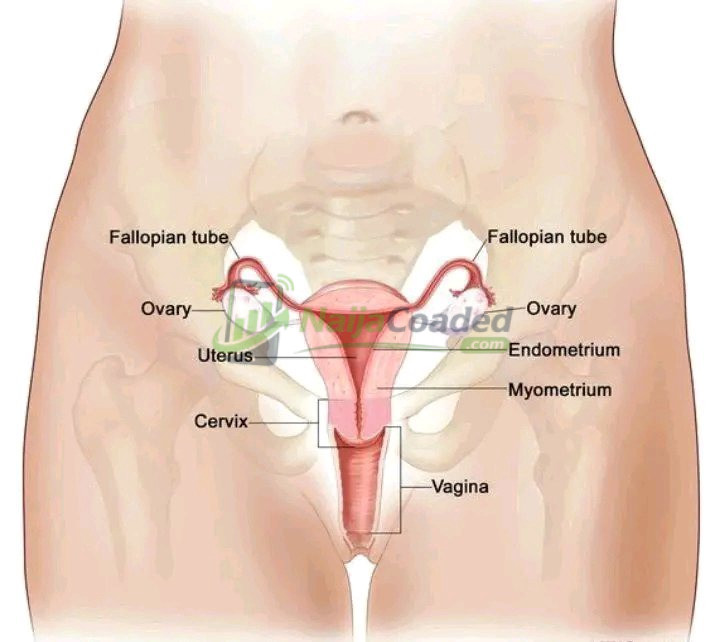
Many women experience painful periods, also known as dysmenorrhea. This discomfort can range from mild cramps to severe pain that affects daily life. Understanding the causes can help manage and reduce the pain.
1. Hormonal Imbalance
Painful periods are often caused by an imbalance of hormones, especially prostaglandins. These chemicals trigger uterine contractions, leading to cramps. Higher levels of prostaglandins can make periods more painful...To Read The Full Content; Tap Here Now .
2. Uterine Conditions
Conditions like endometriosis, fibroids, or adenomyosis can intensify menstrual pain. Endometriosis occurs when tissue similar to the uterine lining grows outside the uterus. Fibroids are noncancerous growths, while adenomyosis happens when the uterine lining grows into the muscular wall.
3. Infections
Pelvic infections or sexually transmitted infections (STIs) can cause inflammation in the reproductive organs. This inflammation often leads to painful periods.
4. Lifestyle Factors
Stress, poor diet, and lack of exercise can worsen menstrual pain. Smoking and excessive alcohol use may also increase the severity of cramps.
How To Reduce Painful Periods
Pain Relievers: Over-the-counter medications like ibuprofen can reduce cramps.
Heat Therapy: Applying a heating pad to the lower abdomen helps relax muscles.
Exercise: Light activities such as walking or yoga improve blood flow and reduce pain.
Diet: Eating foods rich in omega-3, magnesium, and vitamins can ease discomfort.
Medical Help: If pain is severe or persistent, consult a doctor. They may suggest hormonal treatments or other therapies.
Understanding the causes of painful periods is the first step toward relief. With proper care, lifestyle changes, and medical support, most women can manage their symptoms and enjoy a more comfortable menstrual cycle.