
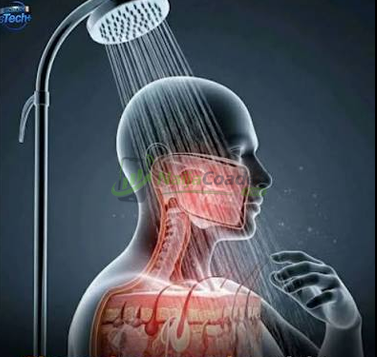
Showering is an important part of personal hygiene. It removes sweat, dirt, excess oil, and microorganisms from the skin, helping people feel clean and comfortable.
However, the idea that there are certain times when nobody should shower is often exaggerated.
What matters most is understanding situations in which bathing may be uncomfortable or require extra caution...To Read The Full Content; Tap Here Now .
One commonly mentioned time is immediately after eating a heavy meal. Although taking a shower does not generally stop digestion, some people may feel uncomfortable when bathing immediately after eating. Allowing some time after a large meal can make the experience more comfortable, especially if the water is very hot.
Another situation is immediately after intense physical exercise. When the body is overheated and the heart is beating rapidly, jumping straight into extremely cold or very hot water may feel unpleasant. It is wiser to cool down gradually, drink water, and allow the body to settle before taking a shower.
People should also be careful when they feel dizzy, weak, or unusually tired. Showering while feeling faint can increase the risk of slipping and falling, particularly in a wet bathroom. Sitting down, recovering, and having someone nearby when necessary can make the situation safer.
During thunderstorms, some safety authorities advise avoiding showers and baths because plumbing can conduct electrical currents if lightning strikes a building. This is a more important safety concern than many popular bathing myths.
Extremely hot showers should also be avoided when someone feels overheated or has very sensitive skin. Hot water can dry the skin, worsen irritation, and sometimes cause light-headedness.
Ultimately, there is no scientifically established universal rule that people must never shower at a particular ordinary time of day. Morning, afternoon, or evening showers can all be appropriate. The key is to consider your physical condition, water temperature, and environmental safety.
Good hygiene should be guided by evidence rather than frightening myths. Shower regularly, use comfortable water temperatures, and postpone bathing briefly when you are dizzy, severely overheated, or in an unsafe environment. Simple precautions can make an everyday routine both cleaner and safer.