
Many gardeners spend a significant amount of money on chemical fertilizers to help their plants grow. However, effective plant food can often be found in your own kitchen.
Using natural alternatives saves money and reduces exposure to harsh chemicals. This article outlines three common household items that provide essential nutrients for your garden.
1. Banana Peels for Potassium..To Read The Full Content; Tap Here Now .
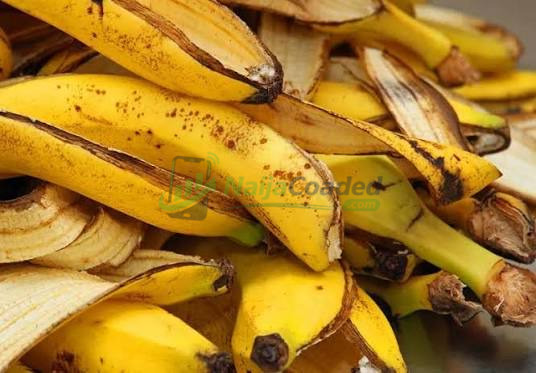
Most people throw away banana peels, but they are rich in potassium. This nutrient is vital for flower and fruit production. To use them, simply cut the peels into small pieces and bury them near the base of your plants. As they decompose, they release nutrients slowly into the soil. You can also soak the peels in water for a few days to create a liquid fertilizer tea.
2. Eggshells for Calcium
Calcium is necessary for strong cell walls in plants. Without it, vegetables like tomatoes may develop rot at the bottom of the fruit. Crushed eggshells provide an excellent source of this mineral. Wash the shells thoroughly and let them dry completely. Then, crush them into a fine powder using a blender or a mortar. Sprinkle this powder around the soil to prevent calcium deficiency.
3. Rice Water for General Growth
When you boil rice, the leftover water contains starch and small amounts of nitrogen and phosphorus. These elements encourage healthy root development. Do not add salt or oil to the water if you plan to use it for plants. Let the water cool to room temperature before pouring it onto the soil. This method recycles waste and gives your plants a gentle nutrient boost.
You do not need expensive products to maintain a healthy garden. Banana peels, eggshells, and rice water are effective alternatives to synthetic fertilizers. These methods are safe for the environment and easy to implement. By using these household items, you can improve your crop yield while reducing your gardening costs. Start trying these techniques today for a more sustainable garden.