
A growing debate is emerging around what some describe as hypocrisy within modern Christianity, particularly when it comes to judgment, gossip, and attitudes toward alcohol consumption.
Critics argue that while many Christians are quick to condemn certain behaviours and warn others about hell, they often overlook teachings in the Bible that caution against judging others.
The concern raised by commentators is not about faith itself, but about how it is practiced in everyday life. According to this view, some believers openly judge people they consider sinners, speaking harshly about their choices and predicting divine punishment, while ignoring that judgment, gossip, and pride are also condemned in Scripture. For critics, this selective morality undermines the core Christian message of love, humility, and grace...To Read The Full Content; Tap Here Now .
One group that frequently finds itself at the centre of such judgment is alcohol consumers. For decades, many Christians have openly criticised people who drink alcohol, treating it as if it were inherently evil or a “devil-made” substance. In churches and social spaces, drinkers are often warned to repent, change their ways, or face eternal consequences. Yet critics argue that this stance is not fully supported by the Bible itself.
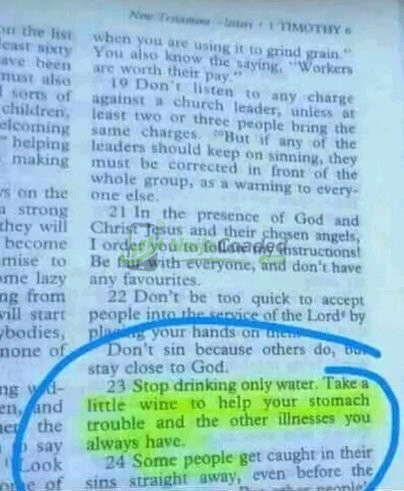
Several biblical passages present alcohol in a more nuanced light. Scripture contains verses that speak positively about wine, describing it as something that can bring joy to the heart when used appropriately. One of the most frequently cited examples is the account of Jesus turning water into wine at a wedding, a miracle that clearly associates wine with celebration rather than sin. Supporters of this interpretation argue that if alcohol were inherently sinful, such an act would contradict Christian teachings.
They further point out that the Bible warns more strongly against drunkenness, excess, and loss of self-control than against drinking itself. From this perspective, moderation, not total prohibition, is the biblical principle. Critics therefore question why many modern Christians avoid wine entirely while condemning those who consume it responsibly.
The debate also raises broader questions about judgment within religious communities. The Bible repeatedly instructs believers not to judge others, reminding them that judgment ultimately belongs to God. Critics argue that when Christians publicly condemn alcohol consumers, they risk violating this teaching and replacing compassion with moral superiority.
Supporters of stricter views counter that discouraging alcohol use is about protecting people from addiction, broken families, and health risks. They argue that while alcohol may not be forbidden outright in Scripture, avoiding it entirely is a personal and communal choice rooted in caution and discipline.