
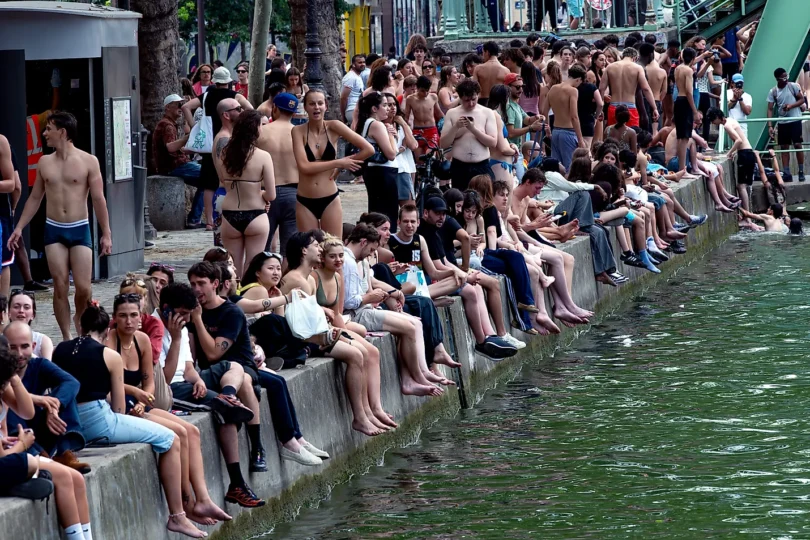
The effects of climate change continue to have a dramatic impact on populations across the globe, particularly through rising temperatures.
Though many people seek out hot climates for summer enjoyment, extreme heat is a genuinely dangerous phenomenon.
Drought, wildfires, strain on electrical grids, and mounting death tolls have all made heat waves an increasingly common and destructive occurrence. The eleven below rank among the worst in recorded history...To Read The Full Content; Tap Here Now .
Eastern United States – 1901
Considered one of the deadliest heat waves in American history, some 9,500 people perished during this summer heat wave. Lasting between June and August 1901 and covering a vast swath of the Eastern United States, with St. Louis and New York among the hardest-hit cities, daily temperatures reached highs of 42 C (108 F). A record number of horses also died in New York City, where up to 250 succumbed to heat stroke in just a few days. This two-month heat wave ultimately proved one of America’s most fatal, and before the advent of modern cooling technologies, little relief was to be found.
United States Nationwide – 1980
Between June and September 1980, a blanket heat wave covered much of the continental United States, with sustained highs of 42 C (108 F). Estimates on the total number of deaths vary but reach at least 1,700 people, particularly in the country’s South and Midwest regions. Considered one of the longest recorded modern heat waves, it brought significant economic and agricultural pain as well, and a massive drought led to roughly $20 billion in damages. With a high number of livestock deaths, the financial well-being of many farmers was seriously jeopardized, and many Americans struggled to keep cool for a prolonged period.
Russia Nationwide – 2010
People cooling off in a pool during the 2010 Russia heat wave
People in Russia jump into pools to cool off during the heat wave in 2010. Image credit: De Visu / Shutterstock.com
With temperatures exceeding 40 C (104 F), the Russian summer of 2010 was the hottest in more than 100 years, and some 56,000 deaths were recorded. In a land known for its cold winters, this heat wave was very rare, and the prolonged period of extreme heat destroyed much of the country’s agricultural production. In addition, massive wildfires plagued the Russian countryside, severely affecting air quality. Smoke inhalation was a leading cause of illness and death during the heat wave.
Southern Pakistan – 2015
Though it thankfully lasted only about a week in June 2015, the searing heat that struck southern Pakistan claimed the lives of roughly 2,000 people. With temperatures in cities like Turbat reaching 49 C (120 F), a massive strain hit the nation’s water supply, while local morgues could not keep up with the number of bodies being brought to them. The heat wave fell during the Islamic holy month of Ramadan, which requires Muslims to abstain from eating and drinking during daylight hours, and clerics temporarily relaxed those obligations so people could access much-needed hydration.
India Nationwide – 2015
People bathing at the roadside to keep cool during the 2015 heat wave in Kolkata, India
People bathe at the roadside to keep cool during the 2015 heat wave in Kolkata, India. Image credit: Saikat Paul / Shutterstock.com
Up to 2,500 people perished in May 2015 when a severe heat wave blanketed much of India. With temperatures between 40 and 49 C (104 and 120 F), this heat wave was extreme even by Indian standards, which frequently see high temperatures. Streets in the capital of New Delhi were reported to be melting as concrete and asphalt warped under the suffocating sun. The heat wave also significantly affected transportation, and those who needed to reach a hospital were met with another difficult obstacle. India’s water supply was severely strained, and with a population well over a billion people, resources to stay cool and hydrated were stretched thin.
Chicago – 1995
Temperatures soared to highs of 40 C (104 F) in Chicago in July 1995, where 739 heat-related deaths were reported. On one day alone, a record 215 people died, many of them elderly residents in poorly ventilated housing who could not afford adequate air conditioning. With pressure on Chicago’s water supply and electrical grid, city officials launched an aggressive campaign to better prepare for the next such disaster. Many politicians promoted safeguards for vulnerable segments of the population in cases of extreme weather.
Greece Nationwide – 1987
The summer of 1987 scorched much of Greece and its islands, with temperatures reaching up to 45 C (113 F) for nearly two months. Some 1,500 Greeks died during the heat wave, and cities like Athens baked for days on end. With inadequate air conditioning in many parts of the country, hospitals filled with patients and morgues struggled to keep up with burials. Wildfires affected agriculture and air quality, and the busy tourist season notably shrank.
Eastern United States – 1896
New York, Chicago, Newark, and Boston experienced a devastating heat wave in August 1896 that persisted for nearly two weeks. With temperatures averaging around 35 C (95 F), and at a time when air conditioning was not widely available or sufficiently developed, some 1,500 people lost their lives. Many low-income families were particularly affected, as poor housing conditions led to overcrowding and increased danger from the high heat. While not the deadliest heat wave in American history, the 1896 disaster revealed the need for better social programs and more efficient cooling technologies.
Europe – 2003
The hottest recorded summer on the European continent since 1540, the heat wave of July and August 2003 was a punishing time for Europeans and tourists alike. With daily highs averaging 40 C (104 F), more than 70,000 people tragically died. The scorching days cost Europe billions of dollars in lost crops and created widespread drought. France was struck particularly hard, with that nation alone reporting some 14,000 deaths. Alongside the excessive temperatures, heat stroke and stagnant air were among the most fatal factors behind the high number of victims.
North America Drought – 1988
A prolonged drought in the summer of 1988 hit many parts of North America and brought extremely high temperatures to several places at different times. Coupled with low rainfall and spread across diverse geographic areas, the heat wave and subsequent drought were difficult to control. According to estimates, death tolls ranged from 5,000 to 10,000 victims, with daily highs hovering around 37 C (99 F). The heat wave caused numerous electrical grid problems along with widespread water shortages and dry conditions.
India Nationwide – 2002
Though it fell outside the official summer season, the heat wave that hit India in April and May 2002 brought temperatures not typically seen even at the height of summer. Averaging 43 C (109 F) in several cities across the country, the heat wave claimed up to 1,200 lives. The state of Andhra Pradesh was especially affected, where dry winds brought extreme temperatures and sustained them for weeks on end. Water supply was severely limited, hospitals overflowed, and streets and concrete warped under the unrelenting sun.
The Summer of 2026
As this list is compiled in the summer of 2026, Europe is living through what scientists have called its worst heat wave on record. Back-to-back heat waves since late May have shattered temperature records across the continent, and France recorded its hottest day ever on June 24, 2026, with a national average of 30 C (86 F). A rapid scientific analysis concluded that the late-June event was the most severe ever recorded across the affected region, with climate change making it far more likely. The World Health Organization reported more than 1,300 excess deaths in the first days alone. Because heat-related death tolls are calculated months later through excess-mortality studies, the final figure is not yet known, but recent European summers offer a sobering benchmark: the 2003 event killed roughly 70,000, and studies attribute tens of thousands of deaths to the summers of 2022 and 2023. Should the 2026 toll follow that pattern, it could rank among the deadliest events on this list.
The United States is enduring its own dangerous heat at the same time. In early July 2026, roughly 150 million Americans across the eastern half of the country were under heat alerts, and Washington, DC, was forecast to record its hottest Fourth of July on record at about 101 F (38 C), with New York City expected to hit the triple digits for the first time in a decade. The event is severe and unusually widespread, but the mass-casualty tolls that define the deadliest heat waves in American history, such as the roughly 9,500 deaths in 1901 or the thousands lost in 1936 and 1980, have not been evident so far. For now, the 2026 US heat wave stands out for its record temperatures and enormous reach more than for a death toll that would place it among the very worst.
A Growing Threat
Heat waves have taken a toll on people around the planet for centuries. As climate change advances, the need to prepare for extreme temperatures has only grown more urgent. Across North America, Europe, and South Asia, the historic heat waves of the past and the record-breaking summers of the present are reminders of how vital it is to protect the populations most at risk from the blistering sun.