
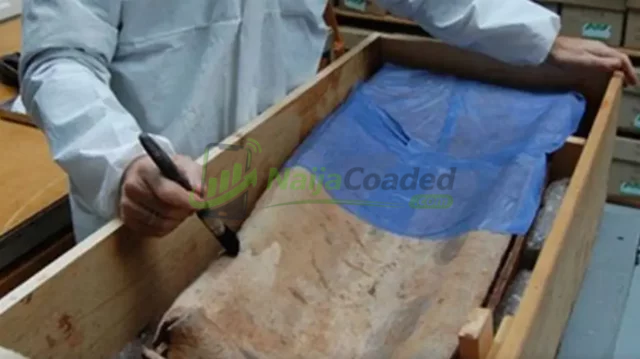
Preparing a body for burial is a careful process guided by medical standards, cultural traditions, and respect for the deceased.
Experts in mortuary science and health institutions explain that certain items are routinely removed before burial to ensure safety, hygiene, and proper presentation.
While practices may vary depending on religion, culture, and whether burial or cremation is planned, the following are commonly addressed during preparation.
1. Medical Devices and Tubes..To Read The Full Content; Tap Here Now .
When a person passes away in a hospital or care facility, medical equipment such as IV lines, catheters, oxygen tubes, and feeding devices are removed. These are no longer needed and are treated as medical waste. Their removal also allows the body to be prepared more respectfully for viewing or burial.
2. Pacemakers and Defibrillators
Implanted devices like pacemakers are often removed, particularly if cremation is planned, because they contain batteries that can explode under high heat. Even in burials, some funeral homes remove them as a precaution or based on policy.Image
3. Jewelry and Personal Valuables
Items such as rings, necklaces, watches, and other valuables are usually taken off and returned to the family. In some cultures, however, certain personal items may be left with the deceased for symbolic or spiritual reasons.
4. Prosthetics and External Aids
Removable artificial devices—including prosthetic limbs, hearing aids, or dentures, may be taken off depending on family wishes and cultural norms. In some cases, dentures are left in place to maintain a natural facial appearance during viewing.Image
5. Bodily Fluids and Hygiene Preparation
In many traditions, the body is washed as part of a ritual or hygienic process. In cases where embalming is performed, fluids are replaced with preservation chemicals to slow decomposition and allow for public viewing.
6. Clothing and Final Presentation
Hospital garments or soiled clothing are removed and replaced with attire chosen by the family. This could be formal wear, traditional clothing, or religious garments, depending on customs.
🎵 Watch This Inspiring Gospel Music Video Here & 🔔 Subscribe
Experts emphasize that these steps are not about altering the person, but about dignity, safety, and cultural respect. Procedures differ widely across communities, with some traditions requiring minimal intervention and others involving detailed rituals. There is no single universal rule for burial preparation. However, the general goal remains the same: to handle the body with care, protect the living, and honour the wishes of the deceased and their family.
Understanding these practices can help families make informed decisions during a sensitive and emotional time.