
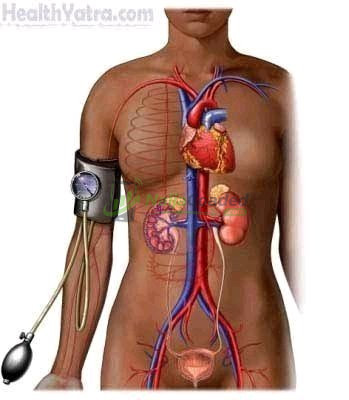
High blood pressure, or hypertension, is tricky because it often shows no obvious signs. That’s why doctors sometimes call it the “silent killer.” Many people only discover they have it during a regular check-up, which can feel shocking.
Some people notice headaches, usually mild but annoying. They often show up in the morning and feel like pressure at the back of the head. It’s subtle, but it can be a warning your body is under strain.
Feeling dizzy or lightheaded is another sign. You might notice it when standing up quickly or just moving around. It can be unsettling, like your body isn’t quite steady...To Read The Full Content; Tap Here Now .
Blurred vision or seeing spots can happen too. High blood pressure can affect tiny blood vessels in the eyes, making things look fuzzy or causing brief vision disturbances.
Chest tightness or pain is more serious. It’s your heart signaling that it’s under stress. If this happens suddenly, it’s important not to ignore it and get medical help immediately.
Shortness of breath is another symptom. You might get winded doing simple tasks that didn’t used to tire you out. This happens because your heart and lungs are working harder than usual.
Some people notice more frequent nosebleeds. While an occasional nosebleed is normal, repeated or heavy bleeding can be a clue that blood pressure is too high.
Fatigue, confusion, or trouble concentrating can also appear. High blood pressure can reduce blood flow to the brain, making you feel unusually tired or foggy.
The tricky part is, many people feel completely fine. That’s why checking your blood pressure regularly is so important. Early detection can prevent serious problems like heart attacks, strokes, or kidney issues.
Simple lifestyle changes—like cutting back on salt, moving more, eating healthier, and managing stress—can make a big difference. Sometimes, doctors may also prescribe medication to keep it in check.
Pay attention to your body. Headaches, dizziness, chest pain, or shortness of breath are your body’s way of asking for help. Don’t ignore them.