
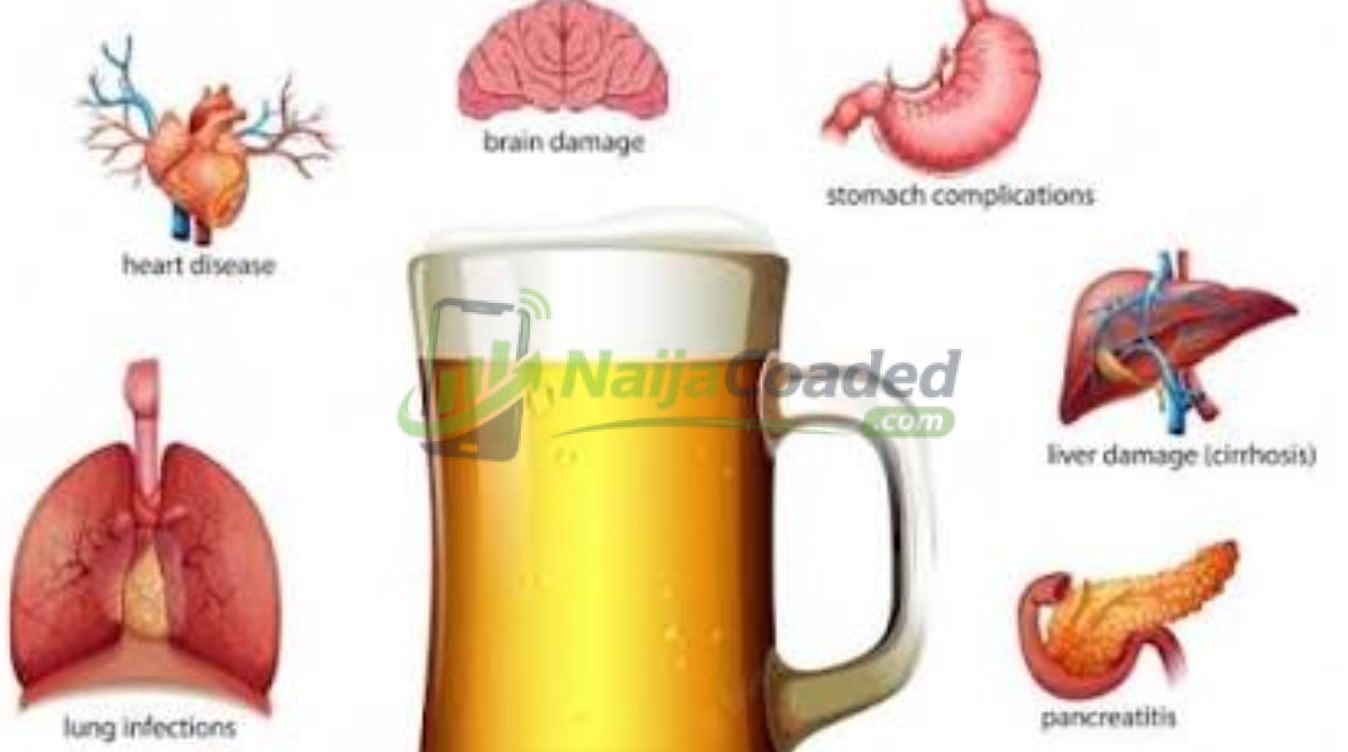
From the moment you take your first sip of beer, alcohol is quickly absorbed into the bloodstream, triggering immediate responses across multiple bodily systems, especially the brain, heart, liver, and kidneys.
Brain Chemistry
Rapid Impact: Alcohol reaches the brain within minutes, interfering with communication pathways and acting as a central nervous system depressant...To Read The Full Content; Tap Here Now .
Neurotransmitter Changes: It increases the effects of the inhibitory neurotransmitter GABA, leading to slowed brain responses, and boosts the release of dopamine and serotonin, causing initial feelings of pleasure, relaxation, and lowered inhibitions.
Impaired Function: As more alcohol is consumed, this chemical shift affects areas of the brain that control judgment, coordination, balance, and memory. As a result, decision-making is hampered, speech is slurred, and motor skills are lost. Heart Rate
Initial Increase: In the initial stages, alcohol can cause your heart rate to speed up and blood vessels to expand, which creates a feeling of warmth.
Blood Pressure: While short-term effects may vary, heavy drinking on a single occasion can disrupt the heart’s electrical signals, leading to an irregular heartbeat (arrhythmia) and increased blood pressure.
Liver Activity
Prioritization: The liver prioritizes alcohol’s immediate metabolization because it recognizes alcohol as a toxins. Metabolism Rate: The liver can only process approximately one standard drink per hour. When consumption exceeds this rate, the excess alcohol circulates through the bloodstream, putting stress on the liver and the rest of the body.
Toxic Byproduct: The liver breaks down ethanol into acetaldehyde, a toxic substance that is then rapidly converted into harmless acetate in healthy individuals.
Hydration Balance
Dehydration: Alcohol is a diuretic; it suppresses the production of vasopressin, a hormone that helps the kidneys regulate fluid levels.
Increased Urination: This suppression causes the kidneys to produce more urine than usual, leading to frequent urination and the potential for dehydration, which contributes to hangover symptoms like headaches and thirst the next day.
These immediate responses highlight how rapidly the body works to process alcohol, even with moderate consumption.