
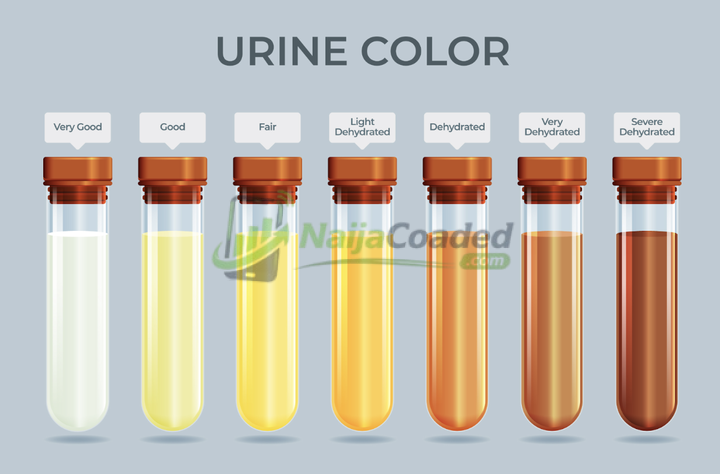
Urine is more than just a bodily waste; its color can reveal important clues about your overall health. Paying attention to changes in urine color can help detect dehydration, infections, or more serious medical conditions.
Pale yellow to straw-colored urine is generally a sign of good hydration and a healthy urinary system. This indicates that your body has enough water to function properly.
Dark yellow or amber urine often signals dehydration. When your body lacks sufficient fluids, urine becomes more concentrated, which can strain your kidneys over time. Drinking more water usually restores a healthier color...To Read The Full Content; Tap Here Now .
Orange urine can be caused by certain medications, supplements, or excessive intake of foods like carrots. However, it can also indicate liver or bile duct issues, and persistent orange urine should be evaluated by a doctor.
Pink or red urine may appear after consuming foods like beets or berries, but it can also indicate blood in the urine, a potential sign of urinary tract infections, kidney stones, or other medical conditions that require immediate attention.
Dark brown or cola-colored urine may be a warning sign of liver disease, severe dehydration, or certain medications.
Cloudy or foamy urine can indicate infections or kidney problems. Persistent changes in urine clarity should prompt medical consultation.
Monitoring urine color is an easy and non-invasive way to keep track of your health. While occasional changes can be harmless, consistent or unusual colors should not be ignored. Staying hydrated, maintaining a balanced diet, and seeking medical advice when necessary can help keep your urinary system healthy and alert you to potential health issues early.