
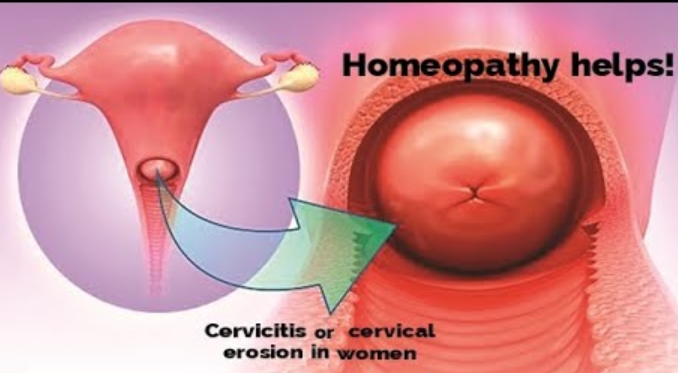
Cancer do not just appear suddenly many times, they develop quietly over years due to habits and practices that most women don’t even think twice about.
One common practice to avoid is poor intimate hygiene,
such as using harsh soaps, scented wipes, or strong detergents around the vaginal area. These products can destroy the natural protective bacteria and create an environment where infections grow easily.
Another risky habit is douching. Many ladies believe it keeps them “extra clean,” but in reality, it pushes bacteria deeper into the reproductive tract, causing infections that may become serious over time. It also increases the risk of pelvic inflammatory disease, which can damage reproductive organs...READ FULL; FROM THE SOURCE.
Engaging in unprotected sexual intercourse with multiple partners also increases the likelihood of HPV (Human Papillomavirus) infections—the leading cause of cervical cancer. Consistent protection and regular sexual health checkups help reduce this risk.
Wearing tight, non-breathable underwear for long hours traps heat and moisture, encouraging the growth of harmful bacteria. Choosing cotton underwear and avoiding overly tight clothing can help keep the area healthy.
Ignoring routine health checks, especially Pap smears and HPV testing, is another dangerous practice. These tests do not prevent cancer, but they detect early changes before they become life-threatening, allowing timely treatment.
Lastly, habits like smoking, poor diet, and chronic stress weaken the immune system, making the body less capable of fighting infections.
Avoiding these everyday practices, staying educated, and prioritizing your reproductive health can greatly protect you from cervical infections and reduce your long-term cancer risk.
FOR MORE INFO, FINALIZE & FINISH YOUR READING HERE
Do you want to easily get our latest news fast? kindly follow our Whats-app Channel via this Link Here Now.
Disclaimer: This content, including any advice provided, is for general informational purposes only and should not be considered a substitute for professional medical advice. Always seek guidance from a qualified healthcare professional or your doctor for proper evaluation and treatment. Naijacoaded.com does not accept any responsibility for the use of this information.