
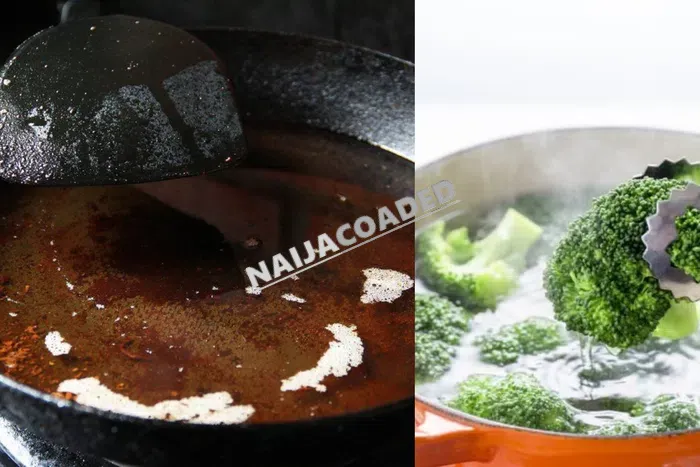
11 cooking habits silently harming your health. Learn safer, healthier cooking patterns to improve nutrition and prevent long-term health risks...READ FULL; FROM THE SOURCE.
Cooking is one of the most intimate things we do every day. It’s routine. Familiar. Sometimes rushed. Sometimes careless. And often, we assume that as long as we cook at home, we’re automatically making healthier choices.
But that’s not always true.
Some cooking habits, the ones we repeat without thinking, quietly chip away at our health. Not dramatically. Not overnight. But slowly, steadily, and sometimes irreversibly.
According to a study, poor dietary habits showed that one-fourth of the population was either overweight or obese. Poor, fair, and good dietary habits were observed in 8.9%, 69.8%, and 21.4%, respectively. That’s not just about what we eat, it’s also about how we cook it.
Here are cooking patterns that may be doing more harm than good, and why they matter more than you think.
Excessive Use of Cooking Oils
Oil makes food taste better. There’s no denying that. A splash here, an extra pour there, it often feels harmless.
But oils are calorie-dense. Just one tablespoon contains about 120 calories. And when cooking becomes generous with oil, calories pile up quickly, often without notice.
Even more concerning is the type of oil being used. Oils high in saturated fats, when consumed excessively, are linked to increased risk of heart disease and weight gain.
Deep frying, repeated oil use, and pouring oil directly from the bottle instead of measuring all contribute to this hidden problem.
Healthier choices include:
Olive oil (for low-heat cooking)
Avocado oil
Coconut oil (in moderation)
Groundnut oil (for high-heat cooking)
But even healthy oils become unhealthy when overused. Moderation still matters.
Skipping Fresh Ingredients for Processed Foods
Convenience has quietly taken over many kitchens.
Pre-cut vegetables, packaged sauces, instant seasonings, frozen ready-to-cook meals; they save time — yes. But they also often contain:
High sodium levels
Preservatives
Hidden sugars
Artificial flavor enhancers
Over time, these contribute to:
High blood pressure
Obesity
Increased risk of metabolic disorders
Fresh ingredients give you control. You know what’s going into your pot. You adjust salt. You manage oil. You cook intentionally.
It takes slightly more effort. But the long-term payoff is enormous.
Not Using Enough Herbs and Spices
This one is surprisingly common.
Many people rely heavily on salt, seasoning cubes, or processed sauces for flavour. But herbs and spices don’t just add taste — they add health benefits.
For example:
Turmeric contains anti-inflammatory compounds
Garlic supports heart health
Ginger aids digestion
Basil and rosemary contain antioxidants
When herbs and spices are used properly, they naturally reduce the need for excess salt and sugar.
Cooking becomes richer. Healthier. More interesting.
Overcooking Vegetables
It happens quietly. Vegetables sit in boiling water for too long. They lose colour, texture, and nutrients.
Overcooking vegetables can significantly reduce:
Vitamin C
B vitamins
Antioxidants
By the time they’re soft and dull, much of their nutritional value is already gone.
Better methods include:
Steaming
Light sautéing
Roasting
Stir-frying
These preserve both nutrients and flavour. And honestly, vegetables taste far better when they still have some bite.
Ignoring Food Safety Practices
Food safety is often overlooked, especially in busy kitchens.
But poor food handling can lead to foodborne illnesses. And those can be serious.
Common mistakes include:
Not washing hands before cooking
Using the same cutting board for raw meat and vegetables
Leaving cooked food at room temperature for too long
Improper storage of leftovers
Bacteria grow quickly in warm conditions. Even clean-looking food can become unsafe.
Simple habits make a big difference:
Wash your hands frequently
Separate raw and cooked foods
Store leftovers properly
Cook meat thoroughly
These aren’t complicated steps. But they matter.
Using Damaged Non-Stick Cookware
Non-stick pans are convenient. Easy to clean. Easy to cook with.
But scratched or damaged non-stick cookware can release harmful chemicals when heated. Especially at high temperatures.
If the coating is peeling, flaking, or visibly scratched, it’s time to replace it.
To extend the cookware’s lifespan:
Use wooden or silicone utensils
Avoid metal spoons
Avoid overheating empty pans
Small care habits protect both your cookware and your health.
Cooking With Oils Beyond Their Smoke Point
Every oil has a smoke point — the temperature at which it begins to break down.
When oils reach this point:
Nutrients break down
Harmful compounds form
Food absorbs degraded oil
For example:
Olive oil works best for low to medium heat
Peanut oil handles higher temperatures
Grapeseed oil is also heat-stable
Using the wrong oil for high heat quietly introduces unhealthy compounds into your food. It’s not obvious. But it accumulates.
Excessive Use of Sugar and Salt
This is one of the biggest hidden dangers in cooking.
Salt enhances taste. Sugar balances flavours. But both are often overused without realizing.
Excess salt increases the risk of:
High blood pressure
Kidney strain
Heart complications
Too much sugar contributes to:
Weight gain
Insulin resistance
Increased risk of type 2 diabetes
Gradually reducing both helps retrain your taste buds. At first, food may seem less flavorful. But over time, natural flavours become more noticeable.
Not Planning Balanced Meals
Throwing random ingredients into a pot is common. Especially when you’re tired or short on time.
But balanced meals matter.
A healthy plate should include:
Protein
Carbohydrates
Healthy fats
Vegetables
Without balance, meals become heavy in one area and lacking in another. This affects energy levels, metabolism, and overall health.
Portion size also matters. Large portions, even of healthy foods, can lead to overeating.
Sometimes, it’s not just what we cook. It’s how much we serve.
Cooking Food on High Flame
Cooking on a high flame saves time. That’s the appeal.
But high heat often:
Burns food outside
Leaves it undercooked inside
Destroys nutrients
Food cooked too fast rarely cooks evenly. And constant stirring prevents proper heat contact with the cooking surface.
The result? Undercooked centres. Burnt edges. Reduced nutritional value.
Medium heat, though slower, produces better texture, flavour, and safer meals.
Washing Raw Meat Before Cooking
This one surprises many people, however, washing raw meat does not remove bacteria. Instead, it spreads bacteria around the sink, countertop, and nearby utensils.
Water splashes. Contamination spreads.
Cooking meat thoroughly is what kills harmful bacteria, not washing.
This small habit can significantly reduce kitchen contamination.
Cooking is more than just preparing food. It’s a daily decision that shapes long-term health.
These habits don’t cause immediate harm. That’s what makes them dangerous. They work slowly. Quietly. Repeatedly.
But the good news? They’re also easy to fix.
Small adjustments: less oil, lower heat, fresh ingredients, better cookware, can transform your cooking into something that truly nourishes.
Because cooking, when done right, doesn’t just fill your stomach.
It protects your future.
Do you want to easily get our latest news fast? kindly follow our Whats-app Channel via this Link Here Now.
Copyright 2026 Naijacoaded. All rights reserved. This material, and other digital content on this website, may not be reproduced, published, broadcast, rewritten or redistributed in whole or in part without prior express written permission from Naijacoaded.