
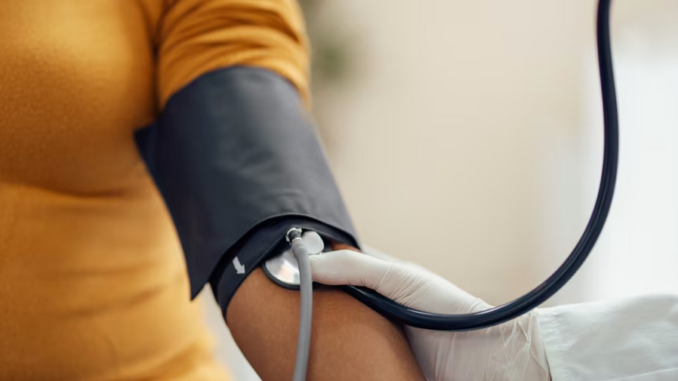
Almost half of adults in the U.S. have hypertension, and only about one in four of them have it under control, according to the CDC. And that’s a red flag, notes one Cleveland Clinic cardiologist...READ FULL; FROM THE SOURCE.
What Is the Best Way To Lower Blood Pressure?How To Lower Salt Intake
“Uncontrolled hypertension, [that is] high blood pressure, increases our risk for strokes, heart attacks, heart failure and kidney failure,” says Dr. Luke Laffin, MD, the Co-Director of the Center for Blood Pressure Disorders at Cleveland Clinic.
Dr. Laffin says people can take several effective medications to manage and lower blood pressure. In some cases, though, lifestyle tweaks may do the trick. He shares that one, in particular, can be very effective. He revealed his top tip for how to lower blood pressure fast, plus other remedies. Here’s everything you need to know.
What Is Normal Blood Pressure?
Dr. Laffin says normal blood pressure is < 120/80 mm Hg. What does that mean in layperson’s terms? First, mm Hg is short for “millimeters of mercury,” which is what providers use as the standard unit to measure pressure, the American Heart Association (AHA) explains.
The 120 number stands for your systolic blood pressure, or the pressure in your arteries as your heart beats. The 80 is your diastolic blood pressure, or the pressure your arteries experience during the resting period between beats. Your provider might tell you your blood pressure is “120 over 80.” That means your blood pressure falls into the “elevated” category because you want your systolic number under 120.
This straightforward table has the most recent guidelines from the AHA, released in 2017.
What Is the Best Way To Lower Blood Pressure?
Decrease dietary sodium intake, according to Dr. Laffin.
“Aim for less than 2,300 mg daily—ideally less than 1,500 mg daily,” he suggests.
That’s far less than what the average American consumes daily, which he says is more than 3,400 mg, something the AHA also points out.
“A low-sodium diet is equivalent to taking one to two blood pressure-lowering medications,” he shares. “Further, certain BP-lowering medications do not work nearly as effectively if someone is consuming a high-sodium diet.”
Science agrees. Research from 2019 indicates that high sodium intake increases blood pressure, partly because of water retention and changes to the structure and function of specific arteries. A 2013 systematic review found that lowering salt intake could also reduce blood pressure.
How To Lower Salt Intake
“Don’t fall into the trap of thinking that you are not consuming sodium if you are not using a salt shaker,” Dr. Laffin says.
Sodium is hidden in products as it retains moisture, thickens and preserves food. The FDA also points out that “some foods that don’t taste salty can still be high in sodium.”
He suggests avoiding processed foods and reading labels, which will reveal the amount of sodium in a specific product. It’s a better gauge than a taste test. Certain foods may have claims of “low-sodium” or “reduced sodium.”
The FDA’s guidance on what those terms mean:
Other Ways To Lower Blood Pressure
Diet can play a significant role in lowering or maintaining blood pressure numbers. However, Dr. Laffin says that other lifestyle habits can also help, including:
Maintaining a standard body weight
Getting 6 to 8 hours of uninterrupted sleep per night
Avoiding excessive alcohol consumption
Regular aerobic physical activity
Research from 2017 indicates that weight loss is associated with decreased blood pressure. Gaining weight was linked to an increased risk of uncontrolled hypertension. A 2018 study in the Journal of the American Heart Association noted that lack of sleep increased blood pressure. However, the researchers also found that common but too-often ignored sleep disturbances, including poor sleep quality, were linked to higher blood pressure in women, even if they were logging the appropriate number of hours.
A 2020 study found that high alcohol consumption negatively affected blood pressure and heart rate, while research from 2018 indicated that exercise was an essential tool for blood pressure management. Dr. Laffin recommends aiming for 150 minutes per week of regular aerobic physical activity.
If you’re concerned about your blood pressure, he suggests consulting your physician.