
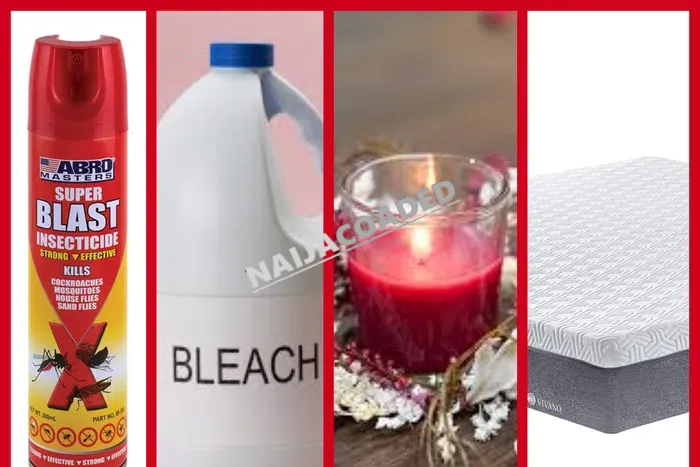
Air fresheners, mothballs, non-stick pots and pans and many everyday household items release toxic chemicals linked to serious health risks. Here’s what to avoid and safer alternatives to use...READ FULL; FROM THE SOURCE.
A home should feel safe and soulful, but many household items could make it the opposite. From products you clean with to what you cook in, and even what makes your house smell nice may be killing you slowly.
They contain hazards and release harmful chemicals that could negatively affect your hormones and respiration and even cause long-term diseases.
The fact that most of these items are normal, even aesthetically pleasing, things we use daily and consider essential makes it scary. Here are some common ones that could be harming you, plus why they are risky and what you should use instead.
1. Air fresheners & scented products
Unbranded air freshener
Air fresheners (sprays, plug-ins, diffusers) often release volatile organic compounds (VOCs) and synthetic fragrances.
These have been linked to asthma, allergic rhinitis and hormonal disruption due to phthalates. Even fresh linen scents can pollute indoor air more than you think.
Safer alternatives
Essential oil diffusers (100% natural oils)
Open windows for ventilation
Baking soda for odor absorption
2. Mothballs
Mothballs
An article published on Pulse Picks compared Camphor vs Mothballs, explaining the dangers of mothballs. According to the article, mothballs are made with toxic chemicals that release harmful fumes.
Consistent exposure to these chemicals can lead to health issues ranging from mild irritation (like headaches and nausea) to more serious concerns like anaemia, cancer, liver and kidney damage, or long-term respiratory problems.
Safer alternatives
Cedarwood blocks
Lavender sachets
Airtight storage containers
3. Harsh cleaning products (bleach, ammonia-based cleaners)
Unbrandharmful-household-itemsed Bleach
These cleaning products make house chores easier as they reduce the energy and time spent getting rid of stains. But they also reduce your life span. Mixing or using these strong cleaners exposes you to toxic gases, which are likely to cause chronic obstructive pulmonary disease, skin burns and eye irritation.
Safer alternatives
Vinegar + baking soda solutions
Plant-based cleaning products
Mild soap and warm water
4. Potentially harmful cookware
Non stick cookware
While they offer convenience in the kitchen, certain types of cookware can pose silent health risks by leaching toxins directly into your meals during cooking.
Non-Stick/Teflon (PTFE): These coatings release toxic fumes when overheated. Scratched pans can also leach PFOA, which has been linked to liver damage and cancer.
Aluminium: This metal is known to leach into food, especially when preparing acidic ingredients like tomatoes, potentially leading to health complications.
Unlabelled or Imported Ceramic: The glazes used on these pots often contain lead, which can contaminate your food as it heats.
Unlined Copper: Cooking with unlined copper causes dangerous amounts of the metal to leach into your food, often resulting in illness.
Cheap Clay Pots: Low-budget clay options may contain heavy metals, leach various toxins, or be prone to breaking easily.
You might be interested in reading this: Pressure Pots Can Be Risky if You’re Not Careful. Here’s What to Know
Safer Alternatives
Stainless steel
Cast iron
High-quality ceramic-coated cookware
5. Scented candles
Marks and Spencer Scented Candle with LED Light
Many candles contain paraffin wax, which releases toxins when burnt and, in turn, causes indoor air pollution. If you do this continuously, it may lead to respiratory issues, headaches and even vertigo, especially if your room is not properly ventilated.
Safer alternatives
Soy or beeswax candles
Unscented candles
6. Insecticides & pest sprays
Insecticide spray
Insecticides and pest sprays contain neurotoxic chemicals designed to kill pests, but they can affect humans, too.
Their effects range from mild reactions like nausea and headaches to more serious complications like neurological disorders and hormonal disruption.
Safer alternatives
Neem oil sprays
Diatomaceous earth
Sealing entry points
7. Antibacterial soaps & hand washes
antibacterial soaps
Antibacterial soaps and handwashes sometimes contain triclosan or triclocarban, which pose a high risk to the body and system. They are linked to hormonal disruption and contribute to the dangerous rise of antibiotic resistance.
Constant use on the skin triggers allergic reactions and may strip natural oil from your skin. They have no proven benefit over regular soap and carry heavy risks, so it’s best to stick with regular soaps.
8. Synthetic mattresses & furniture
Hybrid Latex Mattress
Synthetic mattresses and furniture are significant sources of indoor pollution, often releasing toxic chemicals through a process known as off-gassing.
These products, especially memory foam and synthetic foam items, are frequently manufactured with petroleum-based chemicals, adhesives, and chemical flame retardants, which have been linked to health issues ranging from respiratory irritation and headaches to long-term cancer risks.
Safer alternatives
Organic or natural latex mattresses
Low-VOC furniture
9. Dirty sponges & dishcloths
sponge
Many people rarely pay attention to kitchen sponges (and even bathing sponges) and dishcloths, and may never change them unless they go missing, which is bad because they can harbour dangerous bacteria like Escherichia coli.
This cause goes on to manifest as severe stomach cramps, diarrhoea (often bloody), vomiting, and sometimes fever.
Safer alternatives
Replace weekly
Disinfect regularly
10. Gas Stoves
Gas Stove
Gas stoves release nitrogen dioxide and carbon monoxide indoors, which can easily pass through vents and windows. But in a poorly ventilated space, it is dangerous. You are at risk of asthma and lung irritation.
Safer alternatives
Ensure proper ventilation
Use exhaust fans
Consider electric or induction stoves
Finally
A beautiful home shouldn’t come at the cost of your health. Many of the products marketed as “safe” or “convenient” may actually be doing the opposite behind the scenes.
Small, intentional swaps can significantly reduce your exposure and make your home genuinely safer.
Do you want to easily get our latest news fast? kindly follow our Whats-app Channel via this Link Here Now.
Copyright 2026 Naijacoaded. All rights reserved. This material, and other digital content on this website, may not be reproduced, published, broadcast, rewritten or redistributed in whole or in part without prior express written permission from Naijacoaded.