Uterine cancer is one of the most common cancers affecting women, especially those above the age of 40. While not all cases can be prevented, certain habits and exposures can greatly increase the risk. Staying away from some harmful factors can help protect your reproductive health...READ FULL; FROM THE SOURCE.
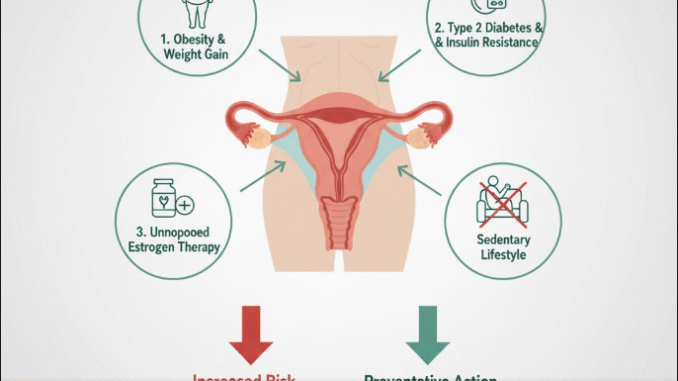
Uterine cancer, most commonly endometrial cancer (cancer of the lining of the uterus), is strongly linked to a woman’s lifelong exposure to estrogen without proper balance from progesterone. The four factors below increase that exposure or contribute to high inflammation, which accelerates cell growth.
1. Excessive Body Weight (Obesity)
The Problem: Maintaining a high body mass index (BMI), particularly after menopause, is the single most significant modifiable risk factor for endometrial cancer.
The Mechanism: Fat tissue (adipose tissue) produces its own estrogen (a process called aromatization). In obese individuals, this leads to chronically high estrogen levels in the body, which continuously stimulates the growth of the uterine lining (endometrium). Unchecked growth without the periodic shedding or balancing effects of progesterone significantly increases the chance of malignant cell transformation.
The Action: Maintaining a healthy weight through diet and exercise is crucial for risk reduction.
2. Uncontrolled or Untreated Type 2 Diabetes
The Problem: High blood sugar levels and the resulting insulin resistance that define Type 2 diabetes are correlated with increased uterine cancer risk.
The Mechanism: Hyperinsulinemia (too much insulin circulating in the blood) can stimulate the production of certain growth factors (like IGF-1) that promote the proliferation of endometrial cells. Insulin resistance is often linked to obesity, creating a high-risk combination.
The Action: Aggressively manage blood sugar levels through diet, medication, and lifestyle changes.
3. Using Unopposed Estrogen Therapy After Menopause
The Problem: Taking Estrogen Replacement Therapy (ERT) for menopausal symptoms without adding progesterone (unopposed estrogen) if you still have your uterus.
The Mechanism: Giving the body estrogen without the balancing effect of progesterone causes the uterine lining to build up constantly. Progesterone is the hormone that causes the lining to shed (like in a period or a withdrawal bleed). Without progesterone, the lining becomes overly thick (hyperplasia), which is a common precursor to cancer.
The Action: If you still have your uterus and take HRT, ensure you take a combination therapy (estrogen plus progesterone/progestin), or explore non-hormonal treatments.
4. A Sedentary Lifestyle
The Problem: Lack of regular physical activity contributes directly to obesity and Type 2 diabetes, but inactivity is an independent risk factor as well.
The Mechanism: Regular exercise helps regulate hormone levels, lowers insulin and glucose levels, and reduces chronic inflammation throughout the body. A sedentary lifestyle deprives the body of these protective benefits, leaving it more susceptible to cell proliferation and damage.
The Action: Incorporate at least 150 minutes of moderate-intensity activity (like brisk walking) or 75 minutes of vigorous activity per week.
FOR MORE, READ THE FULL ARTICLE HERE NOW
Do you want to easily get our latest news fast? kindly follow our Whats-app Channel via this Link Here Now.
Copyright 2026 Naijacoaded. All rights reserved. This material, and other digital content on this website, may not be reproduced, published, broadcast, rewritten or redistributed in whole or in part without prior express written permission from Naijacoaded.