
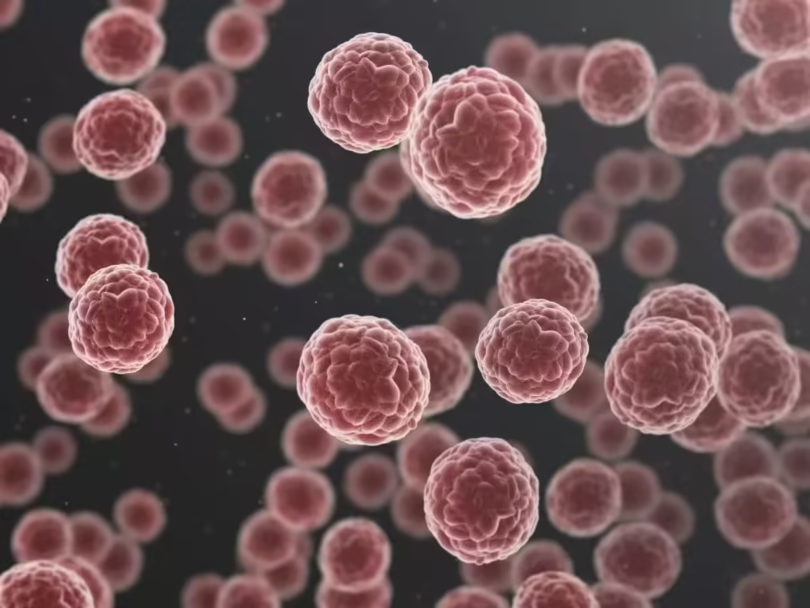
Cancer often develops silently, showing little or no symptoms until it advances. However, your body can send early warning signs that shouldn’t be ignored. Paying attention to these symptoms could make a life-saving difference.
Here are 10 signs that may indicate cancer could be growing in your body:
1. Unexplained Weight Loss..To Read The Full Content; Tap Here Now .
Sudden weight loss without changes in diet or exercise could be a red flag. Many cancers, including pancreatic, stomach, and lung cancer, can cause rapid weight loss.
2. Persistent Fatigue
If you constantly feel weak or exhausted even after resting well, it might be more than stress. Cancer cells consume much of the body’s energy, leading to ongoing tiredness.
3. Lumps or Swelling
A lump that doesn’t go away should never be ignored. It could appear on the breast, neck, underarms, or groin — areas where cancer often forms or spreads.
4. Unusual Bleeding or Discharge
Blood in urine, stool, or from coughing could be a warning sign. Postmenopausal bleeding in women should also be taken seriously.
5. Persistent Cough or Hoarseness
A cough that lingers for weeks or voice changes may signal throat, lung, or thyroid cancer.
6. Changes in the Skin
New moles, dark spots, or sudden color changes could indicate skin cancer. It’s important to monitor any new or changing skin marks.
7. Chronic Pain
Pain that doesn’t go away — in the back, head, or any other area — can sometimes be linked to cancer spreading or pressing on nerves.
8. Changes in Bowel or Bladder Habits
Frequent urination, constipation, or blood in the stool could suggest bladder, prostate, or colon cancer.
9. Difficulty Swallowing or Indigestion
Persistent discomfort when swallowing or a feeling of fullness even after small meals can be signs of esophageal or stomach cancer.
10. Unexplained Fevers or Night Sweats
Frequent fever or sweating without infection might indicate blood-related cancers like leukemia or lymphoma.
Final Note:
These signs don’t always mean you have cancer, but they should never be ignored. Early detection greatly improves treatment success. If you notice any of these symptoms, consult your doctor immediately.