
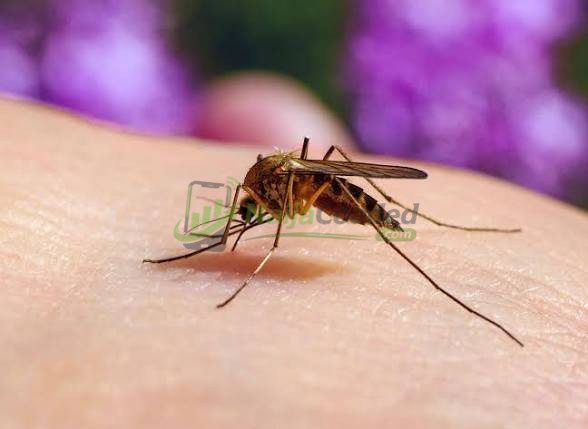
Mosquitoes can quickly turn a comfortable evening at home into an irritating experience, especially during periods when mosquito activity is high.
While mosquito coils and insect sprays are commonly used to control them, there are also simple steps you can take around the home to reduce mosquito numbers and make your environment less attractive to them.
However, not every natural mosquito remedy advertised online has strong evidence behind it. The most reliable approach is to combine environmental control with proven methods of preventing mosquito bites...To Read The Full Content; Tap Here Now .
1. Remove Standing Water Around Your Home
One of the simplest and most effective ways to reduce mosquitoes is to eliminate places where they can breed.
Mosquitoes lay their eggs in or near water, meaning seemingly harmless containers around the house can become breeding sites. Buckets, flowerpot saucers, discarded tyres, bottles, blocked gutters and other objects capable of holding water should be emptied regularly.
Health authorities recommend emptying and cleaning containers that hold water at least once a week. Water-storage containers that cannot be emptied should also be tightly covered.
This method does not involve chemicals and can significantly reduce the number of mosquitoes developing around your home.
2. Try Plant-Based Repellents Carefully
Some plant-derived substances, including citronella and eucalyptus-related oils, have mosquito-repelling properties.
Research has found that certain formulations containing oil of lemon eucalyptus can repel mosquitoes, although the duration and effectiveness depend on the formulation and concentration. Studies also show that plant-based repellents can vary considerably in how long they provide protection.
Citronella is another commonly used plant-based mosquito repellent, but its protection may not last as long as that provided by some established insect-repellent ingredients.
If using an essential oil or plant-based product on your skin, do not assume that a homemade mixture is automatically safe or effective. Follow the instructions for a properly formulated product and avoid applying concentrated essential oils directly to the skin.
3. Keep Mosquitoes Out of Your House
Another effective strategy is to prevent mosquitoes from entering in the first place.
Check windows and doors for gaps and install or repair insect screens where possible. Keep doors closed rather than leaving them open for extended periods.
Mosquitoes often rest in dark, humid areas inside homes, including beneath furniture, in closets and around bathrooms. Removing unnecessary water sources and keeping these areas clean can help reduce potential breeding and resting sites.
What About Burning Leaves or Other Plants?
Various home remedies recommend burning particular leaves, herbs or plant materials to create smoke that supposedly drives mosquitoes away.
While some plant oils have demonstrated repellent activity in scientific studies, that does not mean burning a particular plant in an enclosed room provides reliable protection against mosquito bites.
Smoke can also irritate the eyes and respiratory system, particularly in poorly ventilated spaces. It is therefore better to focus on proven mosquito-control measures rather than relying on smoke alone.
Don’t Forget Mosquito Nets
If mosquitoes are a problem at night, sleeping under an insecticide-treated mosquito net can provide an important layer of protection.
This is particularly relevant in areas where mosquitoes can transmit malaria and other mosquito-borne diseases. Environmental control should therefore be combined with measures that prevent mosquitoes from biting people.
Natural Does Not Always Mean More Effective
It is tempting to believe that anything labelled “natural” is automatically safer or more effective than conventional mosquito-control products.
That is not necessarily the case. The effectiveness of mosquito repellents depends on their active ingredients, concentration, formulation and how long they remain effective. Some plant-based repellents provide shorter protection than established repellent ingredients.
For people who need strong protection from mosquito-borne diseases, relying exclusively on homemade remedies may leave them unnecessarily exposed.
The Bottom Line
You do not need to depend entirely on mosquito coils or bug sprays to reduce mosquitoes around your home.
Start by removing standing water, covering water-storage containers, keeping doors and windows properly screened and considering a properly formulated plant-based repellent where appropriate.
Most importantly, remember that mosquito control is about more than comfort. Mosquitoes can transmit diseases such as malaria, dengue and West Nile virus, so preventing bites and reducing breeding sites should be taken seriously.