
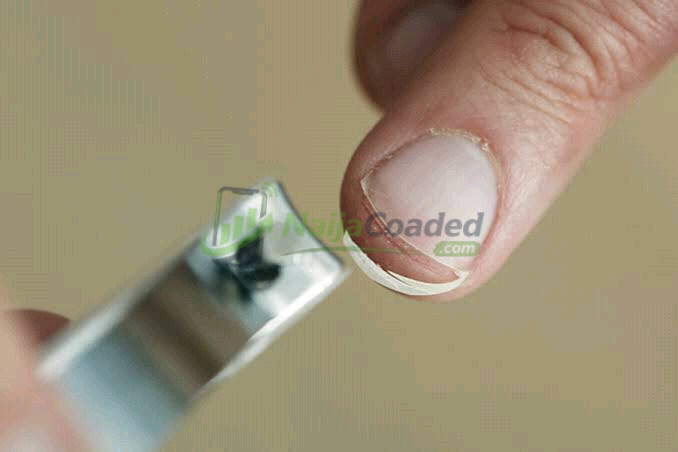
Cutting your nails is an important hygiene practice. Keeping nails short and clean helps prevent dirt and germs from accumulating under them, reducing the risk of infections and diseases that can spread through food handling or everyday contact.
However, across many cultures, people have long been advised not to cut their nails at night.
While some dismiss this advice as superstition, there are practical, historical, and even cultural reasons behind it...To Read The Full Content; Tap Here Now .
Before completely ignoring such traditional warnings, it is worth understanding where they come from. Often, what is labeled as “superstition” has roots in real-life experiences passed down through generations. Below are three commonly cited reasons why cutting your nails at night has traditionally been discouraged.
Reason 1: There Was No Electricity in the Past
In earlier times, people did not have access to electricity or bright artificial lighting. Nights were extremely dark, making it difficult to see clearly. Cutting nails in poor lighting increased the chances of nail pieces falling on the floor, bed, or food preparation areas without being noticed.
Loose nail clippings are unhygienic. They can mix with dust, food, or household items and potentially cause allergic reactions or spread germs. To avoid these risks, people preferred cutting their nails during the day when visibility was better, making cleanup easier and safer.
Reason 2: Nail Clippers Did Not Exist
Modern nail clippers are safe, precise, and easy to use, but this was not always the case. In the past, people often used knives, blades, or sharp tools to cut their nails. Using such tools at night significantly increased the risk of injury, including deep cuts and bleeding.
Medical care was also not readily available, especially at night. A small cut could easily become infected, leading to serious complications. To prevent accidents and health risks, elders advised people to avoid nail cutting after sunset.
Reason 3: Cultural and Religious Beliefs
In some cultures, cutting nails at night is linked to religious beliefs. In Hindu tradition, for example, nighttime is believed to be associated with the arrival of Goddess Lakshmi, who symbolizes wealth, peace, and prosperity. Cutting nails at night is seen as disrespectful or as inviting misfortune into the home.
Additionally, some traditions warned that discarded nail clippings could be misused for harmful spiritual practices. While modern society may not fully subscribe to these beliefs, they encouraged careful disposal of nail clippings, such as burying them, to maintain cleanliness and safety.