
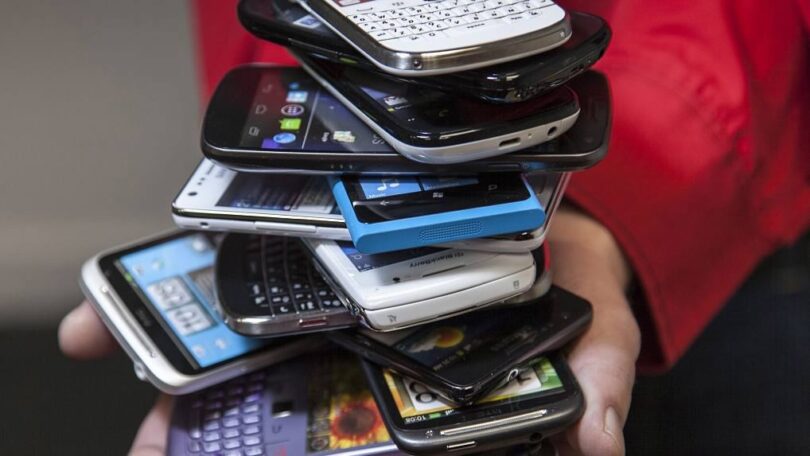
Buying a second-hand phone can save you money, but it also comes with serious risks that many people overlook.
While some used phones are in good condition, others may hide problems that could cost you more in the long run. Here are five key dangers to watch out for before purchasing a second-hand device:
1. Hidden Hardware or Battery Issues..To Read The Full Content; Tap Here Now .
Second-hand phones may have been dropped, exposed to water, or repaired with poor-quality parts. These damages may not be obvious at first but can lead to faulty screens, poor battery life, or overheating later on.
Always test the phone’s screen, camera, speaker, and battery before buying, and check for signs of tampering.
2. Stolen or Blacklisted Devices
Some phones sold on the second-hand market are stolen or reported as lost. These devices can be blocked (blacklisted) by network providers, making them useless. To avoid this, ask for the phone’s IMEI number and check it online using IMEI checker tools before purchase.
3. Locked Phones and Software Restrictions
A second-hand phone may be locked to a specific carrier or have restrictions like activation locks (such as Apple’s iCloud Lock or Google FRP). If you don’t have the original account credentials, you may not be able to use the device at all. Always ensure the seller has logged out of all accounts and reset the phone properly.
4. No Warranty or Buyer Protection
Most second-hand phones come with no warranty, and private sellers usually don’t offer returns. If the phone fails after a few days, you may be stuck with a broken device and no refund. Buying from reputable sellers or certified refurbished programs can reduce this risk.
5. Pre-installed Malware or Spyware
Some used phones may have hidden software that spies on your activity or steals your data. If the previous owner installed malicious apps, your privacy and security could be compromised.
After buying, always perform a full factory reset and install trusted security apps.
Buying a used phone is not always a bad idea—but it requires caution. Always verify the phone’s condition, IMEI, and software status. If possible, meet the seller in person, test the phone, and request a receipt.