
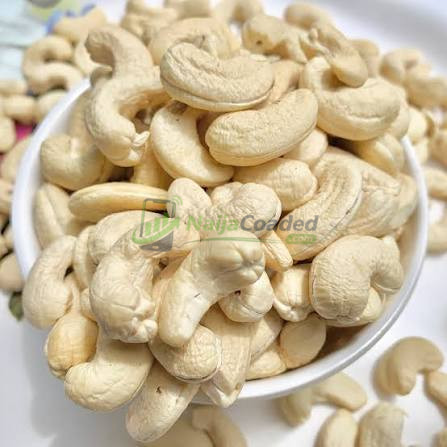
Cashew nuts are more than just a crunchy snack. These popular nuts contain healthy unsaturated fats, protein, minerals and other nutrients that can make them a useful addition to a balanced diet.
Whether eaten alone or added to meals, a moderate serving of cashews can provide several important nutrients. However, because they are also relatively high in calories, portion size matters.
1. They Provide Healthy Fats...To Read The Full Content; Tap Here Now .
Cashews contain predominantly unsaturated fats, which are generally considered preferable to consuming large amounts of saturated fats.
Replacing foods high in saturated fat with foods containing unsaturated fats can be part of a heart-conscious eating pattern. Cashews should therefore be viewed as one component of an overall healthy diet rather than a treatment for heart disease.
2. Cashews Provide Plant Protein
Cashews contain protein that can contribute to daily protein intake.
Protein is important for maintaining and repairing body tissues and can also help increase feelings of fullness after eating. Combining cashews with other nutritious foods can therefore make them a useful snack or meal addition.
3. They Contain Magnesium
Magnesium is one of the minerals found in cashews.
The mineral is involved in numerous processes in the body, including normal muscle and nerve function. Cashews can therefore contribute to dietary magnesium intake alongside other foods such as beans, whole grains, seeds and leafy vegetables.
4. They Contain Antioxidant and Plant Compounds
Cashews contain various bioactive compounds, including phytosterols and phenolic compounds.
Research examining cashew varieties has identified compounds such as phytosterols, tocopherols and phenolics. These substances contribute to the nutritional profile of the nuts, although their presence should not be interpreted as proof that cashews can prevent or cure specific diseases.
5. They Can Support a Healthy Eating Pattern
Nuts can be a nutritious alternative to highly processed snacks such as some chips and sweets.
A small handful can provide protein, healthy fats and other nutrients, potentially making it easier to choose a more nutrient-dense snack. Harvard Health notes that an ounce of nuts generally provides around 160 to 200 calories, so moderation remains important.
6. They Provide Several Important Minerals
Beyond magnesium, cashews contain other minerals that contribute to their nutritional value.
Including different nuts, seeds, legumes, fruits, vegetables and whole grains in the diet can help provide a broader range of vitamins and minerals rather than relying on one particular food.
7. They Are Easy to Add to Meals
Cashews are versatile and can be eaten as a snack or incorporated into different meals.
They can be added to salads, cereals, yoghurt, stir-fries and other dishes. Cashews can also be blended into sauces or used to add texture and flavour to meals.
How Many Cashews Should You Eat?
A reasonable serving is around one ounce, which is roughly a small handful or about a quarter cup.
Cashews are nutrient-dense but also calorie-dense, so eating large quantities regularly can add substantial calories to the diet. Choosing unsalted or lightly salted varieties can also help limit excess sodium.
Who Should Be Careful With Cashews?
People with a tree-nut allergy should avoid cashews unless they have been specifically advised otherwise by a qualified healthcare professional.
It is also worth noting that genuinely raw cashews are not normally sold for direct consumption because the shells contain a toxic substance called urushiol. Commercial cashews undergo processing to remove the hazardous shell material before they are sold.
The Bottom Line
Cashews can be a nutritious addition to a balanced diet because they provide unsaturated fats, protein, magnesium and other minerals and plant compounds.
However, they are not a miracle food or a substitute for medical treatment. The best approach is to eat them in moderate portions alongside a varied diet containing vegetables, fruits, whole grains, legumes and other sources of protein and healthy fats.