
Most of the bacteria involved form part of the normal human flora and are harmless (or beneficial) in healthy people. Problems arise mainly from poor hygiene, imbalance, or transfer to other sites.
1. The mouth
The oral cavity hosts one of the most diverse and densely populated bacterial communities in the body outside the gut...To Read The Full Content; Tap Here Now .
Databases and surveys commonly estimate 600–700+ bacterial species or phylotypes in the human mouth overall, with hundreds detectable in a single person.
Warmth, moisture, food residues, and varied surfaces (teeth, gums, cheeks) support this community. Many species are beneficial or neutral, but plaque buildup and poor hygiene can shift the balance toward issues such as cavities, gum disease, or bad breath.
Regular brushing (twice daily), flossing, tongue cleaning, and limiting sugary foods help maintain a healthier balance.
2. Underarms (axillae)
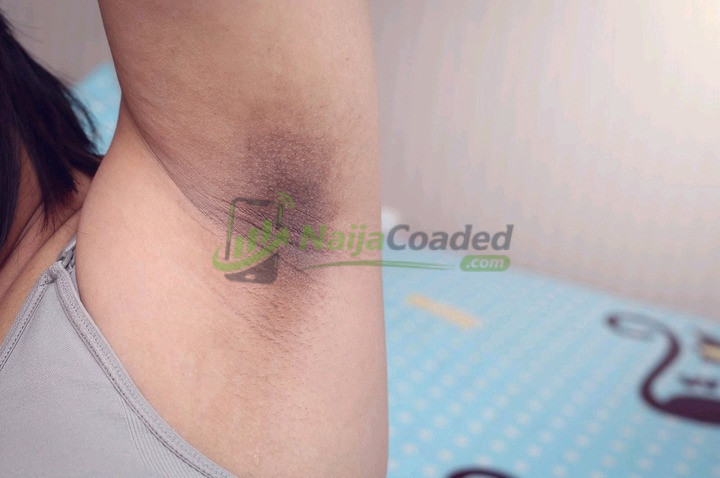
Armpits are moist, warm sites rich in apocrine sweat glands. Bacteria—especially Staphylococcus and Corynebacterium species—break down sweat components and produce the compounds responsible for body odor. These areas support higher bacterial densities than drier skin. Antiperspirants and deodorants reduce moisture or alter the microbial community, which is why they work.
Daily washing and thorough drying help control overgrowth.
3. Ears (external ear canal and cerumen)
Earwax (cerumen) has protective antimicrobial properties and helps trap debris, yet the external canal still hosts bacteria. Excess wax, moisture, or trauma can promote bacterial or fungal overgrowth and outer-ear infections. Cleaning should be gentle; inserting objects (including cotton swabs deep into the canal) risks damage and is not recommended.
4. The tongue
The tongue’s surface, with its papillae and crevices, is a major oral habitat for bacteria. It contributes heavily to the overall oral microbiome and is a primary source of the volatile sulfur compounds linked to bad breath when anaerobic bacteria thrive in the coating. Brushing or scraping the tongue as part of oral hygiene reduces this load.
5. Under the fingernails (subungual space)
Hands contact countless surfaces daily. The space under the nails traps dirt, moisture, and bacteria far more effectively than the rest of the hand skin. Studies have recovered high bacterial counts here, including organisms that can cause infections or spread via touch. Longer nails harbor more material.
Keep nails short, scrub underneath with soap and water (or a soft brush) during handwashing, and avoid nail-biting.
6. The anal/perineal area (“the bottom”)
The distal gut and perianal skin are among the densest microbial environments in the body. Fecal material carries a huge bacterial load (hundreds of species in the colon overall). Proper wiping, washing, and thorough hand hygiene after using the toilet minimize transfer of these organisms to other body sites or surfaces.
7. The nasal cavity
The nose and nasopharynx support a distinct, relatively diverse microbiome that helps filter inhaled air. Bacteria and other particles can accumulate on the mucosal surfaces. Aggressive finger-picking or improper cleaning can introduce pathogens or cause irritation and secondary infection. Gentle saline rinses are generally safer when needed.
Context from broader research
Skin microbiome studies show that moist or occluded sites (armpits, between toes, navel, groin) tend to have higher bacterial densities and different communities than dry sites (forearms, calves). The navel, for example, can host dozens of phylotypes per person and high overall diversity across individuals. Density and diversity are not the same as “dirtiness” in a disease sense—most of these communities are stable and protective under normal conditions.
Practical takeaway: Focus on consistent hygiene—handwashing (especially under nails), oral care that includes the tongue, washing and drying moist skin folds, and avoiding trauma to ears or nose. These steps reduce the chance of imbalance or transfer without needing extreme measures.