
Few things worry parents more than feeling a child’s forehead become unusually warm. While a fever can be frightening, it is often a sign that the body is doing exactly what it should—fighting an infection.
In many cases, a mild fever improves with simple home care. The key is to keep the child comfortable, well-hydrated, and closely monitored.
The first and most important step is to encourage plenty of fluids. Fever causes the body to lose water through sweating, increasing the risk of dehydration. Offer water, breast milk, clear soup, or an oral rehydration solution in small, frequent amounts...To Read The Full Content; Tap Here Now .
Rest is equally important. A child who has a fever needs time to recover. Allow them to sleep as much as they need and avoid physically demanding activities until they feel stronger.
Dress your child in light, comfortable clothing. Thick sweaters and heavy blankets can trap body heat and make the child even more uncomfortable. A cool, well-ventilated room is usually the best environment.
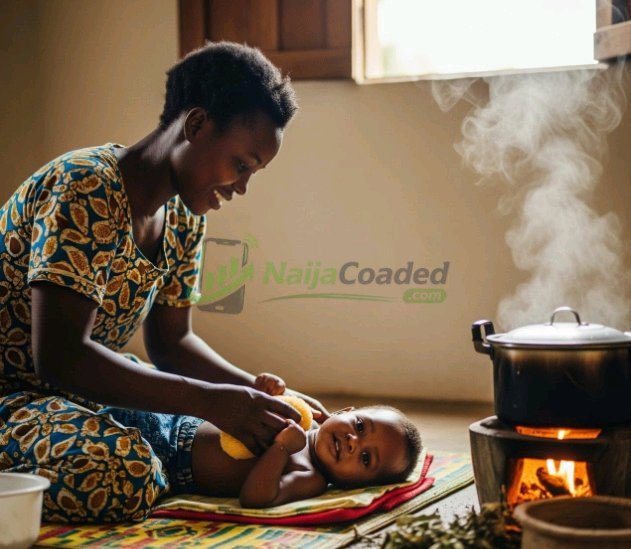
A lukewarm sponge bath may also help lower discomfort. Use lukewarm—not cold—water. Cold water or ice can cause shivering, which may actually raise the body’s temperature.
If your child is hungry, offer light, nutritious meals. Soft foods such as porridge, soup, mashed potatoes, fruits, or yogurt are gentle on the stomach and provide energy for recovery.
Fresh fruits like oranges, watermelon, and pawpaw are excellent choices because they contain water, vitamins, and natural nutrients that support the body’s normal immune function.
Keep the room fresh by allowing air to circulate. A comfortable indoor temperature helps prevent overheating without making the child feel cold.
Check the child’s temperature from time to time using a thermometer. Monitoring the fever helps you notice whether it is improving or becoming worse.
Never underestimate the power of comfort. A gentle hug, soothing words, or simply staying close to your child can help them feel safe and relaxed during illness.
Finally, know when home care is not enough. Seek medical attention immediately if the child is younger than three months with a fever, has difficulty breathing, experiences seizures, becomes unusually sleepy, refuses to drink fluids, shows signs of dehydration, or if the fever remains high for more than two or three days.
Natural remedies can provide comfort, but timely medical care is essential whenever warning signs appear.This version uses shorter, more natural paragraphs while remaining accurate, engaging, and suitable for publication.