
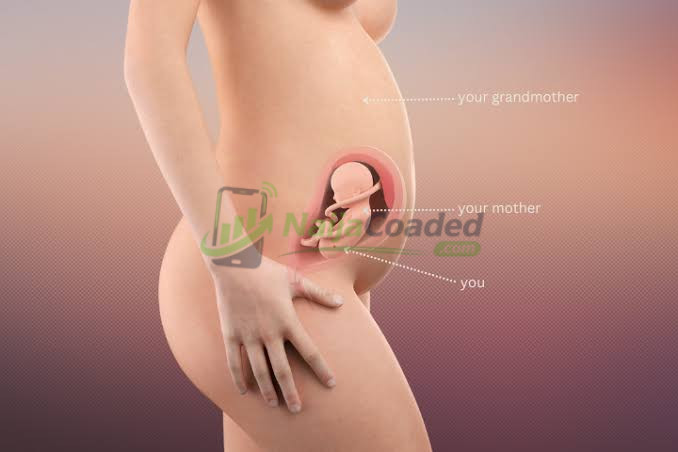
A woman’s fertility is closely linked to the number of eggs she is born with and the rate at which she loses them over time. Here’s a clear breakdown of what science tells us.
At birth, a baby girl is born with between 1 and 2 million eggs in her ovaries. Before birth, a female fetus has as many as 6 million eggs, but this number drops significantly by the time she is born.
By the time she reaches puberty (around age 12–13), the number of eggs has decreased to approximately 300,000 to 400,000...To Read The Full Content; Tap Here Now .
This happens because the body loses about 10,000 eggs per month during childhood and early teenage years through a natural process called atresia.
During each menstrual cycle, a woman typically loses around 1,000 eggs. However, only one egg (sometimes two) fully matures and is released during ovulation. The rest are lost naturally.
By the age of 40, a woman usually has around 25,000 eggs left. This number continues to decline until menopause, when very few eggs remain.
This natural decline in egg quantity and quality is one of the main reasons why fertility decreases with age. If you are planning to have children, it is often recommended to do so earlier rather than later to increase your chances of conceiving naturally.
Have you learned anything new from this? Do you have questions about fertility? Share your thoughts in the comments below.