
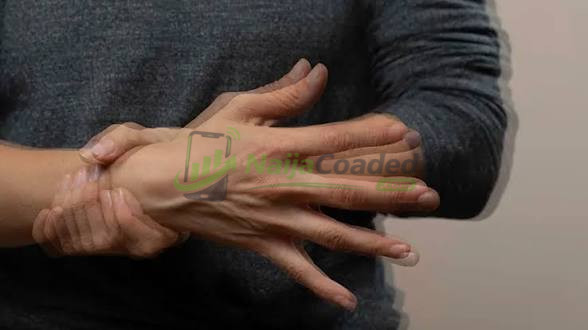
What Is a Hand Tremor?
A slight trembling of the hands may seem harmless, especially when it happens occasionally. However, doctors say persistent or worsening hand tremors should not simply be ignored.
Hand tremor refers to involuntary shaking or trembling of the hands. In some people, it may happen temporarily because of:..READ THE FULL ARTICLE HERE ...To Read The Full Content; Tap Here Now .
* Stress or anxiety
* Tiredness
* Excessive caffeine
* Alcohol use
* Exposure to extreme temperatures
* Certain medicines
When Occasional Trembling May Be Temporary
A mild tremor that appears briefly may be linked to temporary factors such as lack of sleep, emotional stress or consuming too much caffeine.
Lifestyle changes may help reduce some tremors. These can include:
* Reducing caffeine intake
* Managing stress
* Getting adequate rest
* Avoiding excessive alcohol use
However, people should not stop taking prescribed medication simply because they suspect it is causing shaking. They should speak with a healthcare professional first.
Possible Underlying Medical Causes
Recurring hand tremors can sometimes be linked to an underlying medical condition.
Possible causes include:
* Essential tremor
* Parkinson’s disease
* Other nervous system disorders
* Thyroid disorders
* Medication side effects
* Certain metabolic conditions
This is why doctors may ask about a person’s medical history, medications, family history and other symptoms when investigating persistent tremors.
Essential Tremor
Essential tremor is a neurological condition that commonly causes rhythmic shaking of the hands.
The tremor is often more noticeable when a person is using their hands for activities such as:
* Writing
* Eating
* Holding a cup
* Reaching for an object
Essential tremor can vary in severity and may affect one or both hands.
Tremors Associated With Parkinson’s Disease
Not every hand tremor means a person has a serious illness. The pattern of the shaking is important.
Tremors associated with Parkinson’s disease, for instance, are often more noticeable when the hands are at rest. Other symptoms may include:
* Stiffness
* Slowed movement
* Balance problems
* Changes in walking
These symptoms may require a neurological assessment, particularly when they develop alongside persistent tremors.
Why the Pattern of the Tremor Matters
Doctors may consider several features when evaluating hand shaking, including:
* Whether the tremor occurs at rest or during movement
* Whether it affects one or both hands
* How often it occurs
* Whether it is becoming more severe
* Whether it interferes with daily activities
* Whether other symptoms are present
The pattern can help healthcare professionals determine whether further testing or specialist assessment is needed.
When to Seek Medical Attention
Medical attention becomes particularly important when the tremor:
* Continues over time
* Becomes worse
* Interferes with everyday activities
* Has no obvious explanation
* Occurs alongside stiffness or slowed movement
* Is accompanied by balance problems or changes in walking
People should also seek medical advice if the shaking repeatedly returns or begins affecting tasks such as eating, writing or dressing.
The Bottom Line
A mild tremor that occurs occasionally may not be a cause for alarm. However, persistent or unexplained shaking deserves proper attention.
Rather than assuming it is simply caused by stress or tiredness, anyone experiencing recurring hand tremors should speak with a healthcare professional so the underlying cause can be properly assessed.