
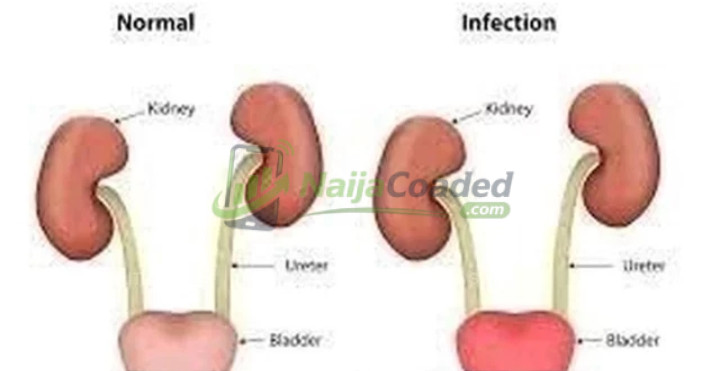
Chronic Kidney Disease (CKD) is a progressive condition that affects millions of people globally. It occurs when the kidneys gradually lose their ability to function effectively over time.
CKD is often referred to as a “silent disease” because it can develop slowly with few noticeable symptoms until significant damage has occurred. Early diagnosis and management by specialists like the best nephrologist in noida
can make a significant difference in patient outcomes...To Read The Full Content; Tap Here Now .
In this blog, we will explore the leading causes and symptoms of Chronic Kidney Disease, as well as the importance of early intervention and expert medical care.
Chronic Kidney Disease refers to long-term damage to the kidneys that impairs their ability to filter blood, remove waste, and regulate fluid and electrolyte balance. When kidney function drops below 60% for more than three months, it is typically classified as CKD. Without treatment, CKD can lead to end-stage renal disease (ESRD), which may require dialysis or a kidney transplant.
Several conditions and risk factors can contribute to the development of CKD. Understanding these causes is essential for prevention and early diagnosis:
One of the most common causes of CKD isdiabetes, particularly type 2 diabetes. High blood sugar levels can damage the tiny blood vessels in the kidneys, reducing their filtering capability. Diabetic nephropathy is a well-known complication and often goes unnoticed in early stages.
Elevated blood pressure puts extra strain on the kidneys’ filtering units. Over time, this can cause scarring and irreversible damage. Controlling blood pressure is key to slowing CKD progression.
This is a group of diseases that cause inflammation in the kidney’s filtering units (glomeruli). It can be acute or chronic and often leads to CKD if not treated promptly.
PKD is a genetic disorder where clusters of cysts develop in the kidneys, enlarging them and impairing their function. It is one of the leading inherited causes of CKD.
Frequent kidney infections (pyelonephritis) or obstructions like kidney stones or an enlarged prostate can lead to kidney scarring and eventual failure.
Long-term use of over-the-counter painkillers such as ibuprofen or certain antibiotics can cause kidney damage. It’s essential to consult a specialist before taking these medications for extended periods.
The symptoms of CKD often appear gradually and may be mistaken for other conditions. Here are some of the most common signs:
As kidney function declines, waste products build up in the blood, leading to a condition called uremia. This can cause persistent fatigue and mental fog.
Reduced kidney function can cause fluid retention, especially in the ankles, feet, and hands. Swelling around the eyes may also occur.
You might notice changes such as foamy urine, increased or decreased frequency of urination, or blood in the urine.
Fluid buildup in the lungs can result from kidney failure, causing difficulty in breathing, especially during physical activity or at night.
A buildup of toxins in the body can cause digestive issues, leading to nausea, vomiting, and loss of appetite.
CKD and hypertension often go hand-in-hand. Damaged kidneys can exacerbate blood pressure issues, creating a vicious cycle.
Early detection and treatment of CKD are crucial to slowing disease progression. If you’re experiencing any of the symptoms mentioned above, especially in the presence of risk factors like diabetes or high blood pressure, consult thebest nephrologist in Noidafor expert evaluation and diagnosis.
Hospitals likeNeo Hospitalin Noida offer comprehensive nephrology services including advanced diagnostics, expert consultation, and personalized treatment plans. With state-of-the-art infrastructure and a dedicated kidney care team, Neo Hospital ensures you receive the highest standard of care for CKD and related complications.
The earlier CKD is diagnosed, the better the chances of slowing its progression. With proper medical management—diet changes, medication, lifestyle adjustments, and blood pressure or diabetes control—you can preserve kidney function for many years.
Routine screening, especially if you are at high risk, can help detect CKD in its early stages. Blood tests (such as serum creatinine and eGFR), urine tests for protein, and imaging studies are all part of a comprehensive diagnostic approach.
Chronic Kidney Disease
is a serious health concern but can be managed effectively with timely intervention. Understanding its causes and recognizing early symptoms empowers individuals to seek care sooner. If you’re experiencing any signs of CKD, don’t delay—consult thebest nephrologist in NoidaatNeo Hospitalfor expert diagnosis and treatment.
Taking proactive steps today could help you avoid dialysis or transplant tomorrow. Prioritize your kidney health—it’s vital for your overall well-being.