
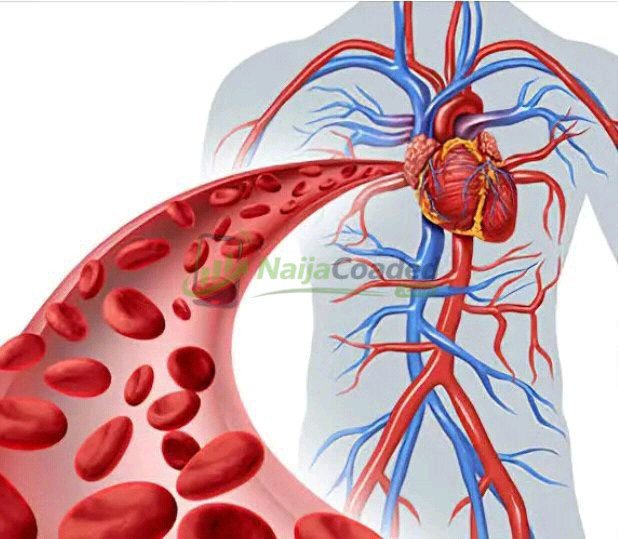
Poor blood circulation occurs when the flow of blood, oxygen, and nutrients throughout the body becomes restricted.
This condition can be influenced by factors such as unhealthy lifestyle habits, underlying medical conditions like diabetes, or blockages in blood vessels.
When circulation is disrupted, the body may begin to show noticeable warning signs that should not be ignored...To Read The Full Content; Tap Here Now .
Medical discussions often highlight that early detection of circulation problems can help prevent complications. Recognizing symptoms and seeking medical evaluation is important when unusual changes in the body persist.
One of the common signs associated with poor circulation is a tingling or “pins and needles” sensation in different parts of the body. This can occur when blood flow is reduced to specific areas, leading to temporary numbness or discomfort. In some cases, individuals may also experience a burning sensation in affected regions, which can indicate reduced oxygen delivery to tissues.
Another symptom often reported is muscle weakness, particularly during movement or walking. When muscles do not receive adequate blood supply, they may feel fatigued or less responsive than usual. This can make physical activity more difficult and may indicate that the cardiovascular system is not functioning optimally.
Cold hands and feet are also frequently associated with circulation issues. When blood flow is reduced, the extremities may not receive enough warmth, leading to a persistent feeling of coldness in the fingers and toes. If this symptom continues over time, it may suggest an underlying circulation problem that requires attention.
Swelling or visible changes in veins, particularly varicose veins, may also be linked to poor blood flow. Varicose veins occur when blood does not flow properly through the veins, causing them to enlarge and become more visible, often in the legs. This condition can sometimes cause discomfort and may worsen without proper management.
Health experts note that circulation issues can affect different parts of the body depending on severity and underlying causes. Since blood flow is essential for delivering oxygen and nutrients, prolonged disturbances in circulation may impact overall health and daily functioning.
Individuals experiencing ongoing symptoms are generally encouraged to seek medical assessment to determine the cause and receive appropriate care.