
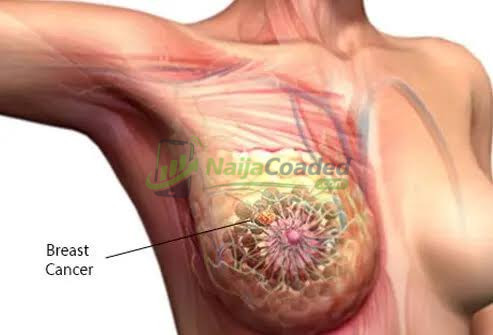
Breast cancer is often associated with older adults, but younger people can also develop it. Although breast cancer is less common at a young age, noticing unusual changes early and seeking medical advice promptly can make an important difference. Awareness is not about living in fear—it is about knowing your body and taking concerns seriously.
Understand What Is Normal for You
Breasts naturally change during puberty, menstruation, pregnancy, breastfeeding, weight changes, and hormonal treatment. The most useful first step is becoming familiar with how your breasts normally look and feel. Regularly notice changes in the mirror and during bathing or dressing. This is not a replacement for medical screening, but it can help you recognize something unusual...To Read The Full Content; Tap Here Now .
Warning Signs to Watch For
Speak with a qualified healthcare professional if you notice any persistent or unexplained change, including:
1. A new lump or firm area in the breast or underarm
2. A change in breast size, shape, or appearance
3. Skin that becomes dimpled, puckered, thickened, red, or unusually warm
4. A nipple that turns inward when it normally does not
5. Unusual nipple discharge, especially if it is bloody or occurs without squeezing
6. Persistent pain in one specific area
7. A sore, rash, or change around the nipple that does not heal
8. Swelling of part or all of the breast, even without a clear lump
Many breast changes are caused by harmless conditions such as cysts, infections, or hormonal changes. However, only a healthcare professional can assess a concerning symptom properly.
Do Not Wait for Pain
Breast cancer does not always cause pain. Some people notice a painless lump or a visual change first. Therefore, waiting until a change becomes painful may delay care. If something feels or looks different and does not settle, arrange a medical evaluation.
Know Your Family History
Tell a healthcare professional if close relatives have had breast cancer, ovarian cancer, or certain other cancers—especially at a young age. A strong family history may lead to genetic counseling, earlier monitoring, or a personalized screening plan. Having a family history does not mean you will develop cancer, and having no family history does not eliminate the possibility.
Attend Recommended Checkups
Screening recommendations vary according to age, personal risk, family history, and national health guidelines. Younger people may not need routine mammograms unless they have increased risk, but a clinician may recommend an examination, ultrasound, mammogram, MRI, or genetic assessment when appropriate. Do not self-diagnose or request a specific test without professional guidance.
Reduce Preventable Risks
No one can prevent every case of breast cancer, but healthy habits may support overall health. Avoid tobacco, limit alcohol, stay physically active, maintain a healthy weight where possible, and follow medical advice about hormonal medicines. These steps reduce some risks but should never replace medical evaluation of symptoms.
When to Seek Urgent Help
Seek prompt medical care for a rapidly growing lump, severe redness and swelling, fever with breast changes, bloody discharge, or a wound that does not heal. These signs may have causes other than cancer, but they deserve timely attention.
Early Action Is an Act of Self-Care
Finding a breast change does not mean you have cancer. The important message is not to ignore it, hide it, or feel embarrassed. Write down when you first noticed the change, describe what you feel or see, and make an appointment with a healthcare professional. Early awareness, accurate assessment, and appropriate follow-up can protect your health.
Important note: This article is for general education and is not a diagnosis or a substitute for professional medical advice. Anyone with a new, persistent, or worrying breast change should contact a qualified healthcare provider.