
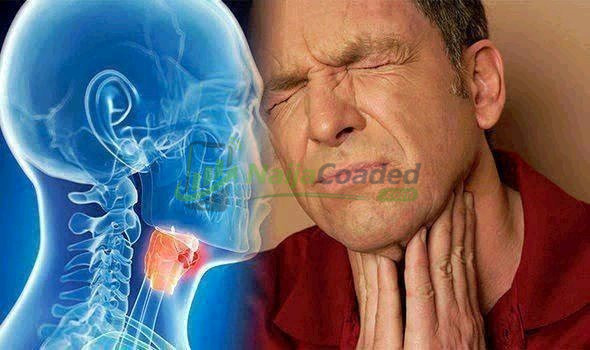
Throat cancer can affect different parts of the throat, including the voice box and areas behind the mouth.
Like many cancers, it may develop gradually, and some people may not notice the early warning signs. Although not every case can be prevented, reducing certain risk factors can lower your chances of developing the disease.
1. Avoid Tobacco..To Read The Full Content; Tap Here Now .
Smoking cigarettes, cigars, and other tobacco products is one of the major risk factors for cancers of the throat and nearby areas. Tobacco contains harmful chemicals that can damage cells over time. The longer and more heavily a person uses tobacco, the greater the risk may become.
Quitting smoking is beneficial at any age. People who do not smoke should also avoid starting.
2. Limit Alcohol Consumption
Frequent and heavy alcohol use can increase the risk of certain head and neck cancers. The risk may be even higher when alcohol is combined with tobacco use. Reducing alcohol intake or avoiding it completely can be a healthier choice.
3. Protect Yourself From HPV
Some throat cancers are linked to certain types of human papillomavirus (HPV). HPV is a common infection that can spread through intimate contact. Vaccination against HPV can help protect against the types of the virus responsible for many HPV-related cancers.
Discussing HPV vaccination with a qualified healthcare professional can help you understand whether it is appropriate for you.
4. Pay Attention to Persistent Symptoms
A sore throat does not usually mean someone has cancer. However, symptoms that persist or keep returning should not be ignored. These may include a lasting sore throat, difficulty swallowing, persistent hoarseness, unexplained neck swelling, ear pain, or a lump in the throat or neck.
If such symptoms continue, it is important to seek medical advice instead of assuming they will disappear on their own.
Throat cancer cannot always be prevented, and having a risk factor does not mean a person will develop cancer. However, avoiding tobacco, limiting alcohol, protecting against HPV, and seeking medical attention for persistent symptoms can support better health and may help reduce risk.