
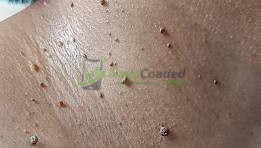
Skin tags are small, benign growths made up of loose collagen fibers and blood vessels surrounded by skin.
They often appear flesh-colored (or slightly darker) and may attach to the skin by a small stalk (also called a peduncle).
Skin tags can range from a few millimeters to several centimeters and are most common in areas where skin rubs against skin or clothing, such as the underarms, neck, groin, and eyelids. They’re non-cancerous and generally harmless...To Read The Full Content; Tap Here Now .
In most cases, skin tags don’t need treatment. But if a tag is irritating, painful, or cosmetically undesirable, skin tag removal may be done by a healthcare professional (or through non-invasive options, depending on the situation).
Close-up of skin tags on a person’s face.
What Causes Skin Tags?
What causes skin tags? The exact reason a skin tag develops isn’t fully understood. Many people with skin tags have no underlying medical condition. However, skin tags are often linked to friction, especially where skin rubs against skin or clothing.
Obesity
Being overweight or obese may increase the likelihood of developing skin tags. Extra skin folds and friction-prone areas can contribute to irritation, which may encourage these small benign growths to form.
Pregnancy
Hormonal changes during pregnancy may increase skin cell growth, which can contribute to the appearance of new skin tags. Some pregnant women notice existing tags becoming more noticeable or developing in new areas.
Polycystic Ovary Syndrome (PCOS)
Women with PCOS may have a higher risk of skin tags. PCOS is associated with hormonal imbalances and metabolic changes that may play a role in skin overgrowth.
Metabolic Syndrome and Insulin Resistance
Some evidence suggests an association between skin tags and insulin resistance (when the body’s cells don’t respond normally to insulin). Insulin resistance can affect growth-factor activity in the body, which may influence skin cell formation. That said, many people with skin tags have no metabolic condition, and many people with metabolic conditions never develop skin tags.
Do Steroids Cause Skin Tags?
Some discussion exists around topical corticosteroids and skin changes (like thinning or irritation), which could increase friction in certain areas. However, this isn’t considered a common side effect, and more research is needed to clearly define the relationship.
There is usually no medical need to treat or remove skin tags unless they become irritated or their appearance bothers you. If a growth changes noticeably (color, shape, size) or becomes painful or bleeds, it’s best to have it checked by a medical professional.
What Do Skin Tags Look Like?
Skin tags can vary in size, shape, and color. Visually, they may look smooth or slightly rough and can appear alone or in clusters. Many are small and “fleshy,” and some are pedunculated (hanging from a thin stalk).
Skin Tag Peduncle
A peduncle is the thin stalk that can attach a skin tag to the skin. It may be only a few millimeters long, or longer in some cases. Some skin tags are raised on a narrow base, while others have a broader attachment.
Large Skin Tag
Larger skin tags are less common than small ones, but they do occur. Even when they’re bigger, they are typically still benign. People often consider removal when size causes rubbing, snagging, or discomfort.
Skin Tags vs. Moles vs. Warts: How to Tell the Difference
If you notice a new growth or a growth that’s changing, a dermatologist can confirm what it is and rule out other conditions.
Types of Skin Tags and Common Locations
Skin tags are most often found in areas where skin rubs against skin, including:
Eyelids
Neck
Upper chest
Underarms
Armpits
Breasts
Backs of the arms
Abdomen
Inner thigh
Groin
This list isn’t exhaustive—skin tags can appear in many places. Below are some common concerns by location.
Eyelid
Skin tags on the eyelids can be irritating when they rub against the eye or surrounding skin. Many people consider removal for comfort or cosmetic reasons, especially when the tag is in a visible area.
Neck
Skin tags on the neck are common, often showing up along the hairline, under the chin, or on the back of the neck. They can snag on clothing or jewelry, and can be confused with other growths—so it’s helpful to have them evaluated if you’re unsure.
Anal
Anal skin tags are not caused by anal intercourse or sexually transmitted diseases. They are commonly associated with issues like anal fissures, hemorrhoids, and healing after rectal problems or surgery.
Anal fissures (small tears) can occur with consistently hard stools, and skin tags may develop as the area heals. Similarly, swelling during recovery after rectal surgery can contribute to tag formation if skin cell growth becomes excessive.
Hemorrhoids (swollen veins) may also be associated with anal skin tags. While the tags themselves are usually not harmful, their presence can be a sign to check for related issues—especially if there is pain, bleeding, or ongoing discomfort.
Body
Body skin tags on the chest may snag on necklaces and clothing, and can sometimes bleed if irritated. Skin tags on the breasts can feel cosmetically bothersome for some people.
The underarms, armpits, and groin area (including upper thighs, inner thighs, and bikini line) can be especially prone to chafing. These areas may become irritated and can be inconvenient for shaving.
Genital
Genital skin tags are benign growths that can appear around the groin, anus, or vulva. They can be smooth or wrinkled, lighter or darker, and may be flat or hang from a stalk. They are not the same as sexually transmitted infections, but any new genital growth should be evaluated to confirm what it is.
Most genital skin tag removal is considered cosmetic and is often not covered by insurance. If tags swell, bleed, or become irritated due to friction, discuss symptoms with your doctor—especially if there are anal or digestive issues alongside an anal growth.
In-office removal options may include snipping/excision, laser removal, cryotherapy, or cautery depending on the tag’s size and location. Some people also explore less invasive approaches when appropriate.
Vaginal
Skin tags in the vaginal area are common and are usually more of a cosmetic concern than a medical problem. Many women want these vaginal skin tags treated if possible. While it is very rare for a skin tag to be cancerous, any changing or unusual growth should be assessed by a clinician.
Groin Skin Tags
How to prevent skin tags
Take the following measures if you want to avoid getting skin tags.
1. Minimize skin to skin rubbing
While it is not certain what exactly causes skin tags, you might want to minimize skin to skin rubbing or your clothes rubbing against your skin. Wear clothes that are clean and are soft against the skin, because they can help cushion areas where there’s skin to skin rubbing. However, there’s not a lot you can do for places like outside your eyelids. There you can’t minimize friction.
2. Reduce skin fold
The only way to reduce skin folds is to lose some weight. You are more likely to have skin tags if you’re overweight. As previously stated, skin tags are mostly found in areas of the body where there are folds. This is because there’s more of skin to skin rubbing in those places. So if you’re worried about skin tags, try and lose weight. There are a variety of ways to lose weight. But if you’re not sure which should work for you, talk to your doctor.
3. Prevent diabetes
Due to the amount of insulin in their blood, people living with diabetes have a higher chance of having skin tags. Do what you can to prevent diabetes if you don’t want to get skin tags. If you have been informed that you’re pre-diabetic, adopt the healthy lifestyle the doctor has recommended. And do lots of exercises.
Home remedies for skin tag removal
Before you try the following skin tag removal at home, please check with your doctor.
1. Freezing kit
You can often acquire freezing kits from drugstores near you. The product contains liquid nitrogen that you can use to freeze skin tags. The spray is not good for the surrounding skin, so you might want to apply petroleum jelly to those areas before applying. And skin tag may not fall away after one or two applications. It takes several for it to finally take effect. Usually, that happens within ten days.
2. Tea tree oil
Though this is used for a lot of skin conditions, according to anecdotal evidence, tea tree oil can also be used to treat skin tags too. Whether this is effective is debatable. This is used by applying a few drops to a cotton ball and sticking it to the skin tag with a bandage. Check with your doctor before using this, as tea tree oil may irritate your skin if it is sensitive.
3. Apple cider vinegar
Research has been carried out on how effective apple cider vinegar is for skin tag removal. To apply, soak a cotton ball in vinegar and place on the skin tag. Hold it in place with a bandage for ten minutes. Do it thrice a day for the skin tag to fall off. Please, discontinue if there’s skin irritation.
4. Iodine
You can use iodine to remove skin tags if you’re to believe anecdotal evidence. Protect the surrounding area with petroleum jelly before applying iodine. Use Q-tips to apply. Q-tips are those short sticks that have cotton at both ends.
Conclusion
If the skin tag is located around the eyes or genitals, do not try to remove with home remedies. These areas are sensitive. Therefore see your doctor. Also, discontinue any home remedies if there’s intense pain, irritation, or bleeding