
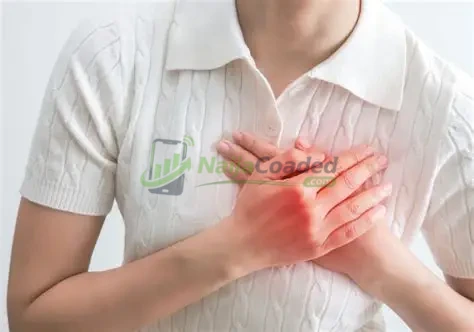
A heart attack is a medical emergency that happens when blood flow to part of the heart is blocked. Without enough oxygen, the heart muscle begins to suffer damage.
Recognizing the warning signs early and seeking immediate medical care can save a life. Symptoms may appear suddenly or develop gradually over several hours or even days.
One of the most common warning signs is chest pain or discomfort. Many people describe it as pressure, tightness, squeezing, or a heavy feeling in the center or left side of the chest. The discomfort may last for several minutes or come and go...To Read The Full Content; Tap Here Now .
Pain that spreads to other parts of the body is another important symptom. It may move to the left or right arm, shoulders, neck, jaw, back, or upper stomach. Not everyone experiences the same pattern of pain, so any unusual discomfort should be taken seriously.
Shortness of breath can occur before or during a heart attack. Some people feel like they cannot catch their breath, even while resting or doing very little activity. This symptom may occur with or without chest pain.
Other warning signs include cold sweats, nausea, vomiting, dizziness, light-headedness, or sudden weakness. Some people also feel unusually tired for no clear reason, especially women, older adults, and people with diabetes. These symptoms should not be ignored.
Women may experience symptoms that are less typical than severe chest pain. They may notice unusual fatigue, nausea, back pain, jaw pain, or shortness of breath. Because these symptoms can be mistaken for other illnesses, women sometimes delay seeking treatment.
If you or someone nearby shows signs of a heart attack, call emergency medical services immediately. Do not wait to see if the symptoms disappear.
Quick treatment can reduce damage to the heart and improve the chances of recovery. If the person becomes unconscious and is not breathing normally, begin CPR if you are trained and follow emergency instructions.
The best way to lower the risk of a heart attack is to maintain a healthy lifestyle. Eat a balanced diet, exercise regularly, avoid smoking, limit alcohol, manage stress, and keep conditions such as high blood pressure, diabetes, and high cholesterol under control. Regular medical checkups also help detect heart problems early.