
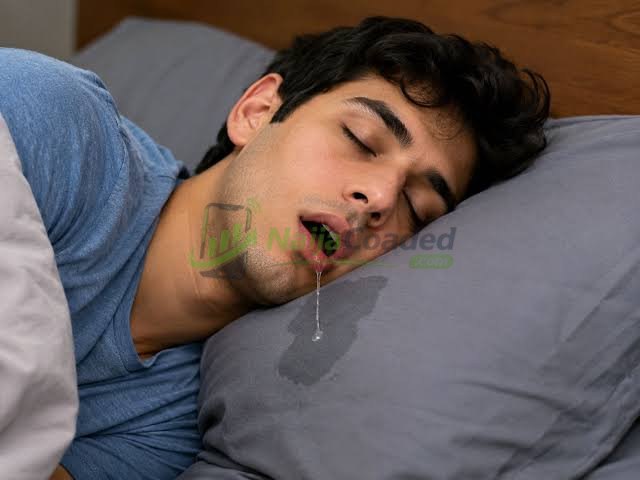
Waking up with a wet pillow can be embarrassing, but drooling during sleep is actually common. It happens when saliva escapes from the mouth while you are sleeping. In most cases, occasional drooling is harmless and does not mean that something is seriously wrong.
One common reason is sleeping position. People who sleep on their side or stomach may be more likely to drool because saliva can flow out of the mouth more easily than when sleeping on the back.
Nasal congestion can also contribute. When your nose is blocked because of allergies, a cold, or sinus problems, you may breathe through your mouth while sleeping. This can make saliva escape more easily...To Read The Full Content; Tap Here Now .
Another possible cause is deep or relaxed sleep. During sleep, the muscles around the mouth and throat relax. Swallowing also happens less frequently, allowing saliva to collect in the mouth.
Some people naturally produce more saliva than others. Certain medications and health conditions can also increase saliva production or make swallowing more difficult.
Drooling may sometimes occur with acid reflux, allergies, or sleep-related breathing problems. If it happens frequently and is accompanied by loud snoring, choking, gasping, or pauses in breathing, it is worth speaking with a healthcare professional.
There are simple ways to reduce nighttime drooling. Try sleeping on your back, keeping your nose clear when possible, and treating allergies or congestion appropriately. Staying well hydrated during the day may also help maintain normal saliva consistency.
However, there is no need to panic because of an occasional wet pillow. Drooling during sleep is usually a normal result of saliva production, relaxed muscles, and sleeping position.
If the problem suddenly becomes severe, occurs together with difficulty swallowing, facial weakness, or other unusual symptoms, seek medical advice promptly. The important thing is to look at the pattern and any symptoms that occur alongside the drooling.