
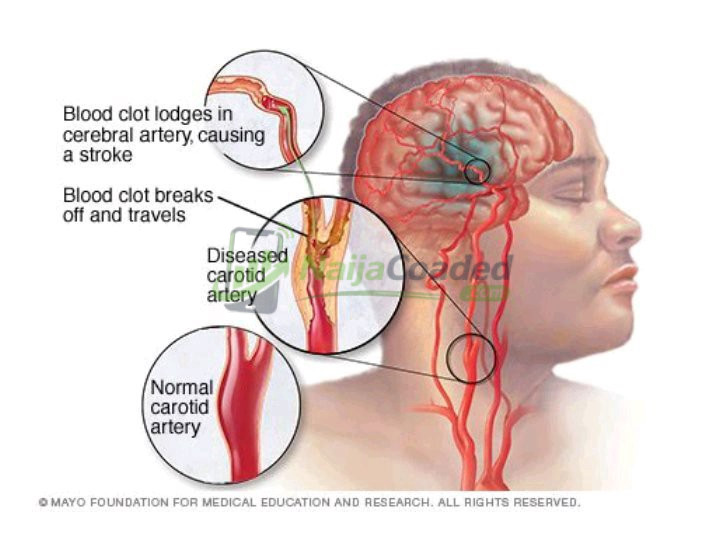
When brain cells are deprived of blood and oxygen, they begin to die within minutes, making a stroke one of the most serious medical emergencies.
Health experts continue to emphasize that recognizing the warning signs early and seeking immediate medical attention can significantly improve a patient’s chances of survival and recovery.
A stroke occurs when blood flow to part of the brain is interrupted, either because of a blocked blood vessel, known as an ischemic stroke, or a ruptured blood vessel that causes bleeding in the brain, known as a hemorrhagic stroke...To Read The Full Content; Tap Here Now .
Without prompt treatment, strokes can result in permanent disability or death.
Medical professionals recommend using the FAST method to identify the most common symptoms. The acronym stands for Face drooping, Arm weakness, Speech difficulty, and Time to call emergency services.
If a person’s face droops on one side, they cannot raise both arms evenly, or their speech becomes slurred or difficult to understand, immediate medical assistance should be sought.
Other common symptoms include sudden numbness or weakness on one side of the body, confusion, difficulty speaking or understanding speech, blurred vision in one or both eyes, dizziness, loss of balance or coordination, difficulty walking, and a sudden severe headache with no known cause.
Experts warn against delaying treatment by driving to the hospital without assistance. Calling emergency medical services allows trained personnel to begin assessment and care while transporting the patient to a medical facility.
Treatment depends on the type of stroke. Patients suffering an ischemic stroke may receive clot-dissolving medication if they reach the hospital within the recommended treatment window, while those experiencing a hemorrhagic stroke require treatment to stop the bleeding and prevent further brain damage.
Health professionals urge the public to familiarize themselves with stroke symptoms, noting that acting quickly can save lives and reduce the risk of long-term complications. Early recognition and rapid medical intervention remain the most effective tools in improving stroke outcomes.