
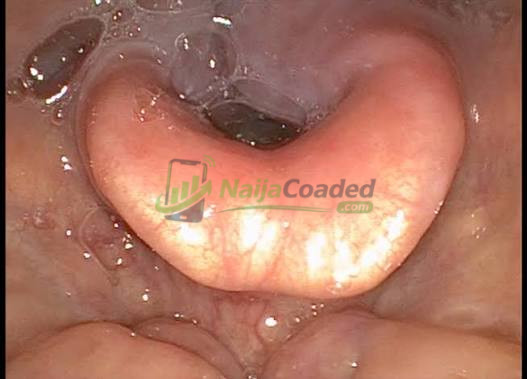
A new look at the biological properties of human saliva has highlighted why wounds inside the mouth often heal faster and with less scarring than injuries on the skin.
Researchers have found that saliva contains several substances capable of supporting the wound-healing process, including proteins and peptides that can encourage cells to move into damaged areas and help repair injured tissue.
The finding is helping scientists better understand the unusual healing ability of the mouth and whether some of the properties of saliva could eventually contribute to new treatments for wounds...To Read The Full Content; Tap Here Now .
Why Do Wounds Inside the Mouth Heal So Quickly?
Anyone who has accidentally bitten their tongue or developed a small cut inside the mouth may have noticed how quickly the injury improves.
Oral wounds generally heal faster than comparable wounds on the skin and tend to produce less scarring.
Several factors may explain this difference, including the moist environment inside the mouth, its rich blood supply and the behaviour of cells within oral tissues.
Saliva also plays an important role because it contains biological substances that interact with injured tissue.
Saliva Contains Wound-Healing Compounds
Saliva is much more than a fluid that helps with chewing and swallowing.
It contains a wide range of proteins, enzymes, growth factors and antimicrobial substances that help maintain the health of the mouth.
Among the substances that have attracted scientific interest are histatins, a group of proteins that can encourage the movement of cells across a damaged area.
This movement is important because cells need to migrate into a wound before the damaged surface can be repaired.
Saliva also contains substances involved in immune responses and tissue repair, meaning its role may extend beyond simply keeping wounds moist.
What Research Has Found
Laboratory research involving human saliva has provided evidence that saliva can stimulate the movement of skin and oral cells involved in wound closure.
In experimental models, saliva encouraged fibroblasts and keratinocytes to migrate towards damaged areas.
These cells are important components of tissue repair.
The findings suggest that certain substances naturally present in saliva could potentially be useful in developing future treatments for wounds.
However, laboratory findings should not be interpreted as proof that people should deliberately apply saliva to cuts or other injuries.
Does This Mean You Should Lick Your Wounds?
Not necessarily.
Although saliva contains substances with potentially beneficial biological effects, the human mouth also contains numerous microorganisms.
Putting saliva directly onto an open wound can introduce bacteria into damaged tissue and potentially increase the risk of infection.
This is particularly important when dealing with deep cuts, contaminated injuries, burns or wounds in people with conditions that affect healing.
The discovery of wound-healing properties in saliva therefore does not mean that licking an injury is a recommended medical treatment.
Scientists Are Interested in Future Treatments
The real significance of the research is the possibility of identifying individual components of saliva that could be developed into controlled medical treatments.
Rather than using saliva itself, researchers could potentially isolate or reproduce specific proteins and peptides responsible for stimulating tissue repair.
Such substances could eventually contribute to new approaches for treating wounds, burns or other forms of tissue damage if future studies confirm their safety and effectiveness.
Why the Finding Matters
Understanding why wounds in the mouth heal so efficiently could provide important clues for improving the treatment of skin injuries.
Researchers are particularly interested in how saliva influences cell migration, inflammation and tissue regeneration.
The hope is that studying these natural mechanisms could lead to therapies capable of encouraging faster wound closure while reducing complications and scarring.
For now, the evidence shows that saliva contains biologically active substances that can influence wound healing, particularly in laboratory settings.
The research offers an interesting explanation for the mouth’s remarkable ability to repair itself, but more research is needed before saliva-derived treatments become part of routine medical care.
For ordinary cuts and injuries, proper wound cleaning, appropriate dressing and professional medical attention when necessary remain safer approaches than deliberately applying saliva to an open wound.