
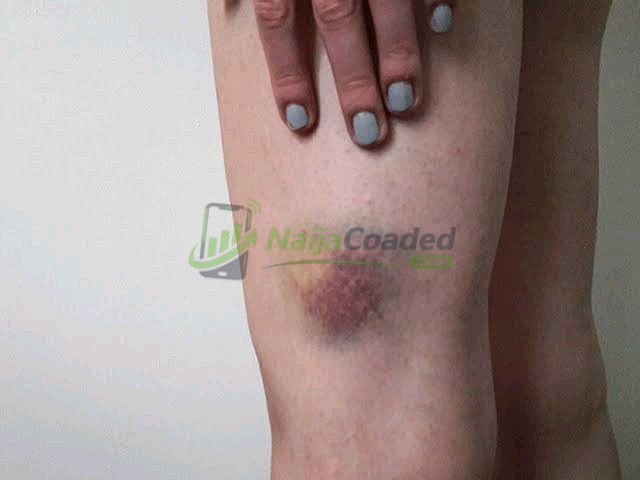
An aching or agony that is undiagnosed. One of the ways our bodies warn us of possible issues is through physical discomfort. As we age, pain and discomfort become more frequent. Yet, discomfort that cannot be explained could point to a more serious issue.
Extraordinary Sweating at Night
Sweating at night may be brought on by an infection or a side effect from medicine. Also, many women have it frequently during the menopause. Cancer can, however, also result in night sweats so intense they physically wet your sheets...To Read The Full Content; Tap Here Now .
alterations in the skin’s outer layer
As the largest organ in the body, the state of our skin is a good indicator of how we are feeling overall. Jaundice, or a yellowing of the eyes or fingertips, is an indication that could point to an infection or cancer. You should consult a doctor right away if you suffer any jaundice symptoms.
4. swelling of the lymph nodes
The most frequent cause of the lumps on the side of your neck is strep throat or another illness. Enlargement of the lymph nodes is a less common sign of cancers including lymphoma and leukemia. Underarm lymph node enlargement is a sign of metastatic breast cancer. Medical treatment is required if the swelling continues for more than a week.
Five, a deficiency in red blood cells (anemia).
This disorder develops when the bone marrow is unable to supply the body with enough healthy red blood cells. Cancers like leukemia, lymphoma, and multiple myeloma can all affect the marrow. If malignancies spread there, the typical amount of red blood cells may be reduced there.
6. Urine with detectable blood.
Urinary tract infections and other medical conditions may be indicated by blood in the urine. Many conditions, such as kidney or bladder cancer, infections, kidney stones, or chronic renal disease, can cause this symptom.
The following six actions will lower your risk of getting cancer.
Medical experts have identified a number of ways to reduce the risk of getting cancer.
Don’t start smoking again.
Please don’t start smoking if you haven’t already, and if you do smoke regularly, don’t stop. However, smoking affects more than only lung health. You can lower your risk of getting cancer in the future by quitting today.
Two, spend a lot of time outside out of the sun.
UV radiation from the sun can harm the skin and possibly lead to cancer. Reduce your time spent in the sun by remaining in the shade, wearing sun protection, or applying sunscreen.
Third, give quality sleep top priority.
Although there may be a link between lack of sleep and cancer, the evidence is tenuous. Weight increase is a risk factor for cancer and is associated with restless sleep.
Fourth, eat a balanced diet that is rich in nourishing foods.
Often consume fresh produce. Avoid consuming an excessive amount of processed meat and choose instead for unprocessed foods like whole grains and lean proteins.
Keep up a regular fitness schedule.
There is evidence that regular exercise reduces the risk of colon cancer. There is proof that exercising can reduce a woman’s risk of breast and possibly reproductive cancers. Exercise has health benefits in addition to helping you lose weight.
Sixth, don’t drink too much alcohol.
When using alcoholic beverages, moderation is crucial. For healthy people, one drink per day for women and two drinks per day for males is the recommended intake of alcohol.