
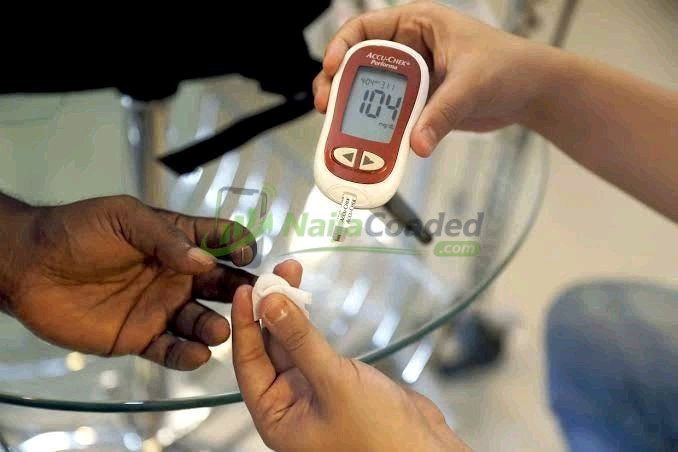
High blood sugar, commonly known as hyperglycemia, is one of the key indicators of diabetes and prediabetes.
Unfortunately, many people live with it for years without realizing, simply because the signs are often ignored or mistaken for other health issues.
Understanding the early warning signs can help you take action before the condition worsens...To Read The Full Content; Tap Here Now .
Here are some of the most common symptoms you should look out for.
1. Frequent Urination
One of the earliest signs of high blood sugar is urinating more often than usual, especially at night.
When blood sugar levels are too high, the kidneys work harder to filter and absorb the excess glucose.
This forces your body to produce more urine, which can quickly lead to dehydration if not addressed.
2. Constant Thirst
Along with frequent urination, many people with high blood sugar experience unquenchable thirst.
This happens because your body loses a lot of water through urination, and in turn, it keeps signaling for more fluids to replace what has been lost.
If you notice yourself carrying a water bottle everywhere because of thirst that never ends, it could be a red flag.
3. Unusual Fatigue
High blood sugar prevents your cells from properly using glucose for energy.
Instead of fueling your body, the sugar stays in your bloodstream.
This leaves you feeling tired and drained, no matter how much you rest.
If you find yourself feeling exhausted without any clear reason, it may be time to check your sugar levels.
4. Blurry Vision
Excess sugar in the blood can affect the tiny blood vessels in your eyes, leading to blurry or distorted vision.
This may come and go, but it should never be ignored, as prolonged high blood sugar can cause long-term eye damage or even blindness.
5. Slow Healing of Wounds
If small cuts and bruises on your skin take unusually long to heal, high blood sugar could be the cause.
Too much sugar in the blood damages nerves and blood vessels, interfering with circulation and making healing slower.
Conclusion
High blood sugar may start quietly, but the warning signs are always there if you pay attention—frequent urination, excessive thirst, fatigue, blurry vision, and slow healing.
If you notice these symptoms, don’t ignore them.
Visit a health professional for a check-up and take simple steps like exercising, eating healthy, and reducing sugar intake.
Remember, early action can prevent diabetes from controlling your life.