
The Bible contains several instructions about foods that were considered unclean or forbidden, particularly under the Old Testament law given to the Israelites.
Some of these dietary rules are still discussed among Christians today, but it is important to understand the biblical context rather than simply labeling certain foods as universally forbidden.
1. Pork..To Read The Full Content; Tap Here Now .
One of the most well-known forbidden foods in the Bible is pork.
Leviticus 11:7–8 says that the pig is considered unclean because, although it has a divided hoof, it does not chew the cud. Israelites were instructed not to eat its meat.
This included pork from pigs and products made from it.
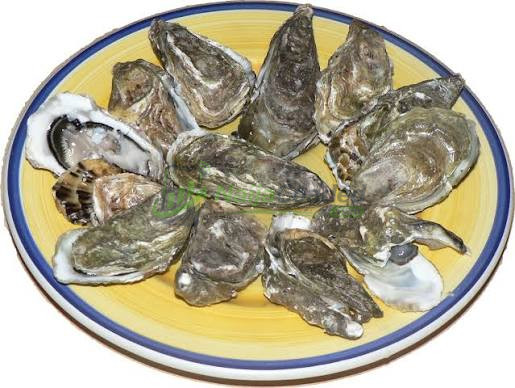
2. Shellfish
Certain seafood was also prohibited under the Old Testament dietary laws.
Leviticus 11:9–12 permitted aquatic animals with fins and scales but classified creatures without fins and scales as unclean. This included animals such as shrimp, prawns, crabs, lobsters and other shellfish.
3. Certain Birds
The Bible also lists birds that the Israelites were forbidden to eat.
Leviticus 11 mentions birds such as eagles, vultures, ravens, owls and several other birds of prey or scavenging birds.
The exact identification of some of the Hebrew bird names is debated, but the general principle was clear: certain birds were classified as unclean.
4. Rabbits and Hares
Leviticus 11:5–6 describes the hare and rock badger as unclean because they were considered to chew the cud without having the required type of hoof.
Therefore, they were not to be eaten under the Mosaic dietary law.
5. Animals That Do Not Meet the Required Conditions
According to Leviticus 11, land animals were considered suitable for eating only when they had both a divided hoof and chewed the cud.
An animal that had only one of these characteristics was considered unclean.
For example, the camel was specifically mentioned as unclean.
6. Animals That Died Naturally
The Israelites were also instructed not to eat animals that had died on their own.
Leviticus 11:39–40 gives instructions concerning animals that die naturally and warns against eating their flesh.
7. Blood
The Bible repeatedly prohibited the consumption of blood.
Leviticus 17:10–14 states that the Israelites were not to consume blood because life is associated with the blood.
This instruction was significant in biblical dietary and sacrificial practices.
But Are These Foods Still Forbidden for Christians Today?
This is where many people misunderstand the subject.
The Old Testament dietary laws were given specifically within the covenant God made with Israel. In the New Testament, Jesus taught that food entering the body does not make a person spiritually unclean in the same way that sinful things coming from the heart do.
Mark 7:18–19 records Jesus teaching about this distinction.
Peter also received a vision in Acts 10 involving animals previously regarded as unclean. God told him, “What God has cleansed, that call not thou common.”
The early church also addressed dietary questions in Acts 15. Gentile Christians were not required to follow the entire Mosaic dietary system, although the apostles specifically instructed believers to abstain from blood and from meat associated with strangling and idolatry.
Romans 14:14 also says that Paul was persuaded that nothing is unclean in itself, while emphasizing that Christians should consider their conscience and the effect of their choices on others.
The Bigger Lesson
For Christians, the Bible’s teaching about food goes beyond simply asking, “Can I eat this?”
Our faith also calls us to consider self-control, gratitude, conscience and obedience to God.
1 Corinthians 10:31 says:
“Whether therefore ye eat, or drink, or whatsoever ye do, do all to the glory of God.”
So while foods such as pork and shellfish were forbidden under the Old Testament law, Christians should be careful about claiming that every Old Testament dietary restriction remains a universal prohibition for believers today.
The most important thing is to understand the difference between the dietary laws given to ancient Israel and the teachings of the New Testament concerning Christians.