
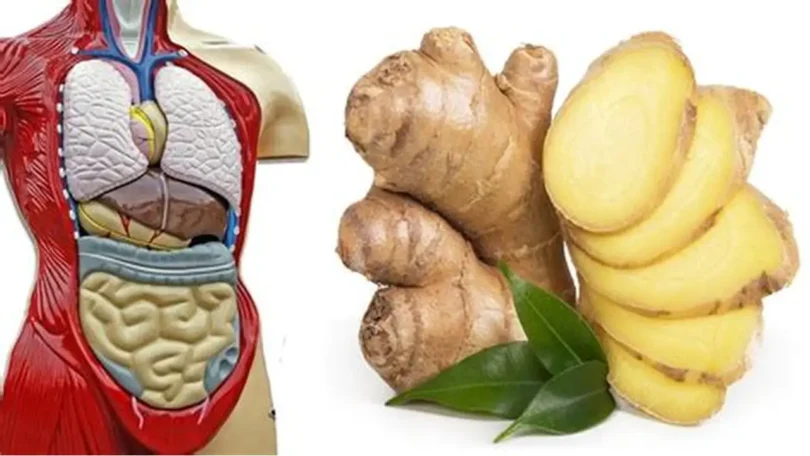
Ginger is more than a spice — it has strong medicinal properties that can influence your blood pressure. Here’s what happens when you eat ginger:
1. It Helps Relax Blood Vessels
Ginger contains compounds like gingerol that help relax the muscles surrounding your blood vessels.
This makes it easier for blood to flow freely, which can support lower blood pressure...To Read The Full Content; Tap Here Now .
2. It Improves Blood Circulation
Ginger naturally boosts circulation by preventing blood from becoming too thick or sticky.
Better circulation reduces the pressure on your arteries.
3. It Acts as a Natural Anti-Inflammatory
Chronic inflammation can contribute to high blood pressure.
Ginger’s anti-inflammatory effects help reduce inflammation, supporting healthier blood flow.
4. It May Help Lower Cholesterol
High cholesterol can tighten arteries and increase blood pressure.
Ginger has been shown to help reduce “bad” LDL cholesterol levels, which supports heart health.
5. It Reduces Sodium Retention
Excess sodium in the body is a common cause of high blood pressure.
Ginger helps with kidney functions, allowing the body to flush out more sodium.
6. It Can Prevent Excess Clotting
Ginger has mild blood-thinning properties.
This helps keep the blood flowing smoothly and may ease pressure on artery walls.
7. It Provides Antioxidants for Heart Protection
The antioxidants in ginger help protect your blood vessels from damage, improving overall cardiovascular function.
IMPORTANT NOTE
Ginger supports healthy blood pressure, but it is not a substitute for medical treatment.
People on blood thinners or blood pressure medications should not take large amounts of ginger without consulting a healthcare provider.