
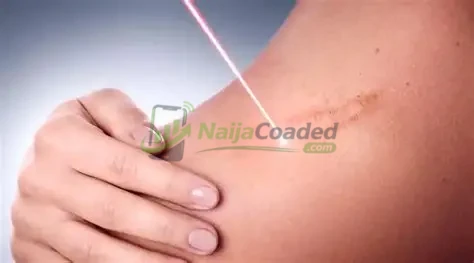
Bumps and keloids can develop after an injury, piercing, surgery, acne, or other skin damage. While some small bumps may disappear on their own, keloids are raised areas of scar tissue that can continue growing beyond the original wound.
Here are some ways to manage them:
1. Avoid Picking or Squeezing..To Read The Full Content; Tap Here Now .
Touching, squeezing, or scratching a bump can irritate the skin and make inflammation or scarring worse. Keep the area clean and avoid unnecessary friction.
2. Use Silicone Gel or Silicone Sheets
Silicone products are commonly recommended for managing raised scars. With consistent use, they may help soften and flatten some scars over time.
3. Protect the Area From the Sun
Sun exposure can make scars darker and more noticeable. Cover the area or use sunscreen with adequate SPF when exposed to sunlight.
4. Consider Steroid Injections
For established keloids, a dermatologist may inject corticosteroids directly into the scar. This can help reduce its size, hardness, itching, and discomfort.
5. Ask About Other Medical Treatments
Depending on the size and location of the keloid, a dermatologist may recommend treatments such as cryotherapy, laser treatment, pressure therapy, or surgical removal. Keloids can return after treatment, so combination therapy may sometimes be recommended.
6. Treat Piercing Bumps Carefully
If a bump develops around a piercing, avoid removing or changing the jewelry without professional advice. Infection, irritation, and keloids can look similar, so getting the area examined can help determine the cause.
When To See A Doctor
See a dermatologist if the bump keeps growing, becomes painful or itchy, bleeds, shows signs of infection, or does not improve. Early treatment may help prevent a keloid from becoming larger.
Important: There is no guaranteed home remedy that can permanently remove a true keloid. Avoid harsh chemicals, cutting, burning, or unproven remedies, as these can cause further skin damage and make scarring worse.