
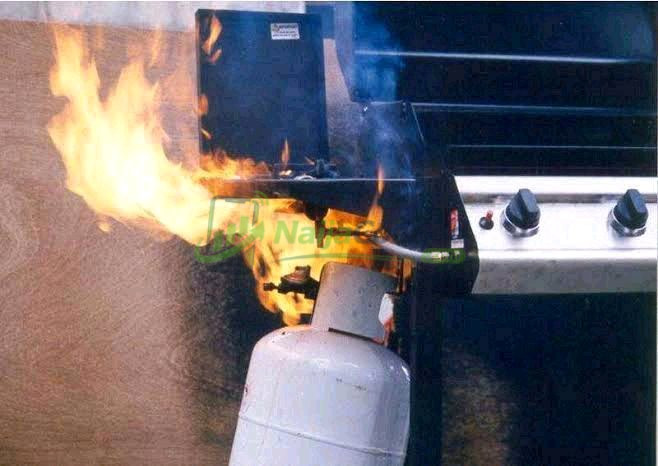
Cooking with gas has become increasingly common in many parts of the world, including Nigeria, because gas cookers can provide fast, convenient and efficient cooking.
However, using gas also comes with serious safety risks, particularly when there is a leak, faulty equipment or improper handling.
One of the most dangerous situations is a gas fire or explosion. Knowing how to prevent gas-related accidents and how to respond when a fire occurs can help protect lives and property...To Read The Full Content; Tap Here Now .
If a gas fire starts, stay calm and move away from immediate danger. Do not attempt to cover a burning gas cylinder with a wet towel or use water on a gas fire, as this can make the situation more dangerous. If it is safe to do so without approaching the flames, turn off the gas supply. Otherwise, evacuate the area immediately and contact the fire service or emergency responders.
Important Gas Safety Precautions
Prevention is one of the most effective ways to reduce the risk of a gas-related accident. Keep these precautions in mind:
1. Check the gas hose, regulator and connections
Regularly inspect your gas equipment for cracks, damage, loose connections or signs of leakage. Damaged components should be replaced by a qualified technician rather than repaired with makeshift materials.
2. Avoid overfilling the cylinder
Gas cylinders should only be filled by authorised suppliers and to the appropriate level. Never attempt to fill a cylinder beyond its recommended capacity.
3. Keep your burner and cooker in good condition
A faulty burner can cause improper combustion or allow gas to accumulate, increasing the risk of a fire. Have damaged or malfunctioning equipment inspected and repaired by a qualified professional.
4. Watch for signs of a gas leak
If you smell gas, do not light a match, operate electrical switches or create any spark. If it is safe, turn off the gas supply, leave the area and seek professional assistance.
Gas can be convenient for cooking, but it must always be handled carefully. Regularly checking your equipment, avoiding unsafe practices and knowing when to evacuate can significantly reduce the risk of a serious accident.