
As people enter their 50s and beyond, health experts increasingly stress the importance of making deliberate lifestyle and dietary adjustments.
Ageing brings wisdom and experience, but it also comes with physiological changes that affect how the body processes food, alcohol, and other substances.
What the body could tolerate in one’s twenties or thirties may become harmful later in life if consumed excessively...To Read The Full Content; Tap Here Now .
Medical professionals agree that metabolism slows down with age, organs such as the liver and kidneys become less efficient, and the risk of chronic diseases increases. For this reason, individuals over the age of 50 are encouraged to be more mindful of what they consume regularly. Below are ten items commonly identified as needing reduction or avoidance for healthier ageing.
Firstly, excessive sugar intake poses a serious risk. As people age, insulin sensitivity often decreases, making it harder for the body to regulate blood sugar levels. This increases the likelihood of developing type 2 diabetes and other metabolic conditions.
Secondly, high salt consumption can elevate blood pressure and increase the risk of heart disease and stroke. Older adults, especially those with existing cardiovascular conditions, are advised to significantly reduce salt intake.
Thirdly, excessive alcohol consumption becomes more dangerous with age. The liver and kidneys process alcohol more slowly, raising the risk of liver disease, kidney damage, and cognitive decline.
Fourthly, cigarette smoking remains extremely harmful. Smoking damages the lungs, heart, and blood vessels, and quitting after 50 still provides substantial health benefits.
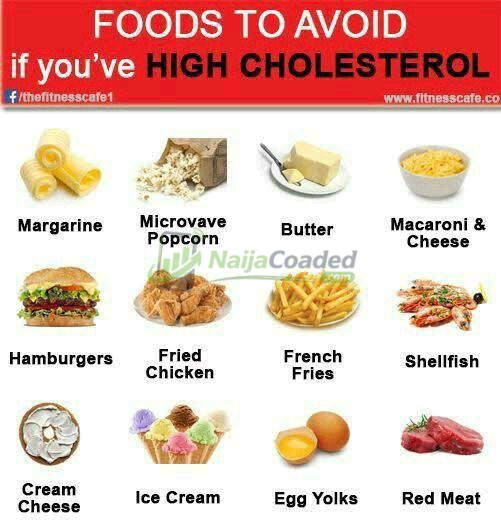
Fifthly, although eggs are nutritious, excessive consumption—particularly in older adults—may contribute to high cholesterol levels. Moderation is strongly recommended.
Sixthly, foods high in LDL (bad) cholesterol increase the risk of atherosclerosis and heart disease. Fatty and fried foods should be limited.
Seventhly, red meat consumption should be reduced, especially processed red meat, which has been linked to increased risks of cancer and heart disease in older adults.
Eighthly, pre-packaged and highly processed meals often contain high levels of preservatives, salt, and unhealthy fats, which negatively affect long-term health.
Ninthly, excessive caffeine intake can worsen sleep problems, anxiety, and heart rhythm issues, which are more common with ageing.
Lastly, junk food should be avoided as much as possible. Poor-quality diets increase the risk of obesity, digestive disorders, and coronary heart disease.
Health experts emphasise that moderation, balance, and consistency are key. Reducing these items does not mean eliminating enjoyment from life, but rather making informed choices that support longevity and quality of life. Adopting healthier habits after 50 can significantly reduce the risk of chronic illness and promote active, independent ageing.