
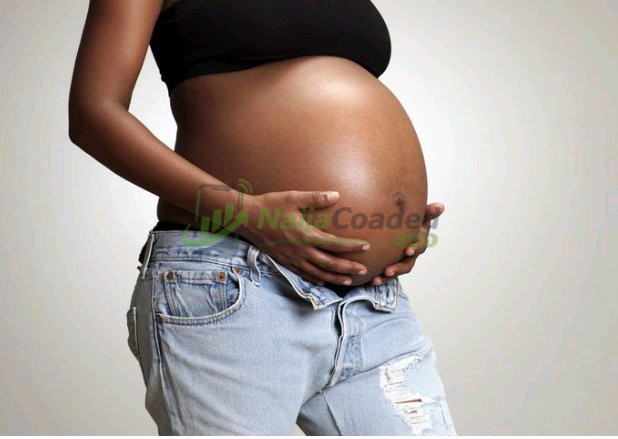
The question of the “best” age for pregnancy balances biological fertility, health risks for mother and baby, and personal readiness.
While women can conceive from puberty (around menarche, typically ages 12–15) until menopause (around age 51 on average), fertility and pregnancy outcomes vary significantly by age.
Medical experts from organizations like the American College of Obstetricians and Gynecologists (ACOG), the American Society for Reproductive Medicine (ASRM), and sources such as Healthline and Cleveland Clinic consistently point to the late 20s to early 30s as the optimal window for most women...To Read The Full Content; Tap Here Now .
A woman’s peak reproductive years occur between the late teens and late 20s, when she has the highest number and quality of eggs. Women are born with about 1–2 million eggs, which decline over time. Conception chances per menstrual cycle are highest here—often around 25–30% for healthy couples in their 20s. Risks of miscarriage, chromosomal abnormalities (like Down syndrome), and complications such as gestational diabetes or preeclampsia are lowest. ACOG notes that fertility starts a gradual decline around age 30, but remains relatively strong through the early 30s.
Why Late 20s to Early 30s Is Often Recommended
Experts frequently cite this range as ideal for balancing high fertility with lower risks:
Conception probability remains strong (about 20–25% per cycle in the late 20s/early 30s).
Miscarriage rates are lower compared to later ages.
Pregnancy complications and birth defects are minimized.
One study referenced in Healthline pinpointed around age 30.5 as optimal for a first birth in terms of outcomes.
ASRM and ACOG guidelines emphasize that fertility declines more rapidly after age 35, with sharper drops post-37.
In the 20s and early 30s, women generally face fewer obstetric issues, and babies have better health prospects. Many doctors advise trying to conceive in this window if possible, especially for those planning families without fertility challenges.
Age-Related Decline and Risks
Fertility doesn’t drop off a “cliff” at 35, but changes accelerate:
Gradual decline begins around age 32.
Sharper drop after 35–37: By age 35, monthly conception chances fall to about 12–15%, and miscarriage risk rises.
After 40: Odds drop to 5–7% per cycle; risks of genetic issues, stillbirth, preeclampsia, cesarean delivery, and preterm birth increase significantly.
By age 45, natural conception is unlikely for most.
ACOG defines “advanced maternal age” as 35+ at delivery due to these elevated risks, recommending earlier fertility evaluation (after 6 months of trying if over 35, versus 12 months if younger).
Important Considerations Beyond Biology
Age is just one factor. Doctors stress individual readiness—emotional, financial, relational, and career stability—often plays a bigger role. Lifestyle choices (healthy weight, no smoking, balanced diet, managing conditions like diabetes) can improve outcomes at any age. Advances in fertility treatments like IVF help many women conceive later, though success rates decline with age.
Recent trends show more births to women 35+ (and even 40+), reflecting delayed childbearing, but experts still highlight the biological advantages of earlier pregnancy for those able.
Ultimately, there’s no universal “best” age, it’s highly personal. Consult a gynecologist or fertility specialist for tailored advice, preconception check-ups, or if conception doesn’t occur within recommended timelines. What are your thoughts on timing pregnancy, or do you have specific concerns about age and fertility?.