
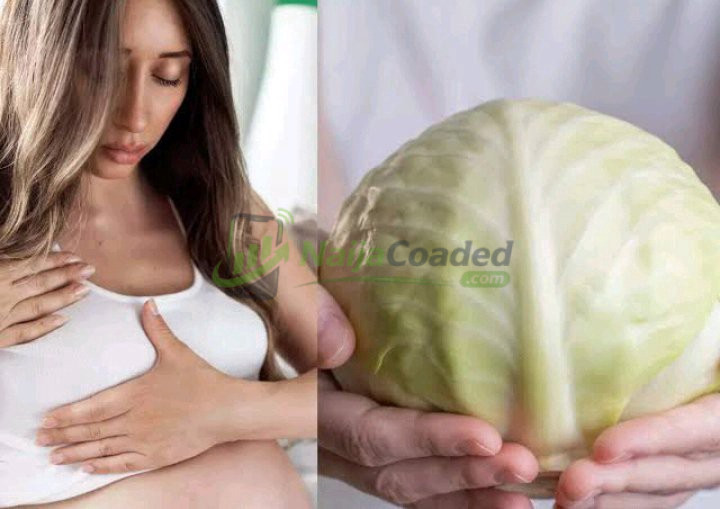
Cabbage leaves may seem like an unusual addition to a healthcare routine, but for generations, midwives and nursing mothers have relied on them as a natural home remedy for certain breast-related conditions.
From relieving discomfort during breastfeeding to easing inflammation, this traditional method continues to attract attention in modern health discussions.
According to medical sources, including research published on PubMed, cabbage leaves have been studied for their potential role in managing breast engorgement. Experts say that while it may sound unconventional, there is some scientific support behind the practice.
1. Relief from Breast Engorgement..To Read The Full Content; Tap Here Now .
Breast engorgement commonly occurs in the days following childbirth when the breasts become overly full of milk. This can happen if a baby does not completely empty the breast during feeding. The condition may cause swelling, tightness, and significant discomfort.
Studies suggest that applying chilled cabbage leaves to the breasts may help reduce swelling and pain associated with engorgement. The leaves are typically placed inside a bra after being cooled in the refrigerator. The cool temperature works similarly to a cold compress, helping to soothe inflammation and provide temporary relief. Research indicates that cabbage leaves may be an effective, low-cost option for managing breastfeeding discomfort.
2. Soothing Breast Tenderness and Pain
Breast tenderness can occur for various reasons, including hormonal changes, breastfeeding challenges, or mild inflammation. Supporters of the remedy say cabbage leaves can be used either cold or warm.
When chilled, cabbage leaves act as a cooling compress to reduce swelling and ease soreness. Alternatively, some women gently warm the leaves before application to encourage circulation and provide comfort. Health professionals note that while the remedy may offer relief, persistent pain should always be evaluated by a healthcare provider.
3. Reducing Inflammation and Supporting Healing
Cabbage contains nutrients such as vitamin C and glutamine, both known for their antioxidant and anti-inflammatory properties. Some experts believe that when applied topically, cabbage leaves may help reduce localized inflammation and promote improved circulation.
Traditionally, cabbage poultices have been used for various inflammatory conditions, including mastitis—a painful breast infection that can occur during breastfeeding. However, medical professionals emphasize that infections require proper medical diagnosis and, in some cases, antibiotic treatment.
A review published on PubMed suggests that available evidence supports the use of cabbage leaves in reducing breast engorgement discomfort. However, experts caution that while the remedy may provide symptom relief, it should not replace professional medical care when serious symptoms are present. Women experiencing severe pain, fever, redness, or signs of infection are advised to seek medical attention promptly.
Cabbage leaves remain a widely discussed natural remedy for breast-related discomfort, particularly among breastfeeding mothers. While research indicates potential benefits for engorgement relief, healthcare providers recommend combining home remedies with professional guidance to ensure safe and effective care.