
Buying secondhand household items can save money and reduce waste. Many used products are still useful and affordable.
However, some items may carry hidden risks, poor performance, or expensive repair costs. A low price does not always mean good value.
1. Mattresses..To Read The Full Content; Tap Here Now .
Used mattresses may contain dust mites, mold, sweat stains, or bed bugs. Even if the outside looks clean, germs and allergens can remain inside. Since mattresses affect sleep and health, buying a new one is often safer.
2. Upholstered Furniture
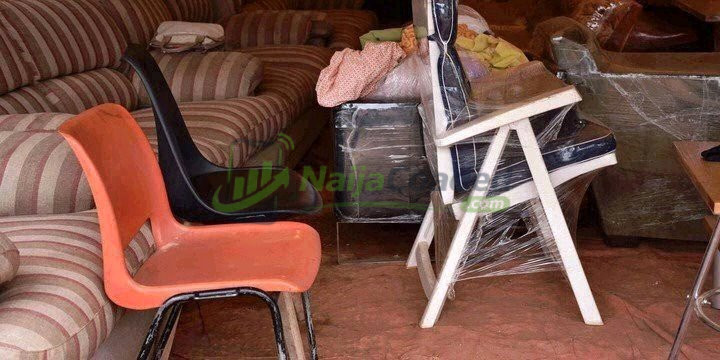
Secondhand sofas and padded chairs can hide insects, odors, pet hair, and bacteria. Cleaning may not fully remove these problems. Check carefully before considering any fabric-covered furniture.
3. Baby Cribs and Car Seats
Safety standards change over time. Older baby items may be damaged or missing parts. A used car seat may also have hidden damage from previous accidents, making it unsafe for children.
4. Small Kitchen Appliances
Cheap blenders, kettles, toasters, and microwaves may have worn electrical parts. Faulty wiring can increase the risk of electric shock or fire. Test appliances carefully before buying.
5. Pillows and Bedding
Pillows absorb sweat, dust, and body oils over time. Even after washing, they may not be fully hygienic. New bedding is usually a better option for comfort and cleanliness.
6. Non-Stick Cookware
Old non-stick pans often develop scratches and peeling surfaces. Damaged coating can affect cooking quality and may lead to unwanted particles mixing with food.
7. Vacuum Cleaners
A used vacuum may appear fine but could have weak suction, worn filters, or hidden motor problems. Repair costs may end up being more than buying a new one.
Buying secondhand can be smart, but not everything is worth the risk. Focus on items that can be cleaned well, inspected easily, and used safely for a long time.