
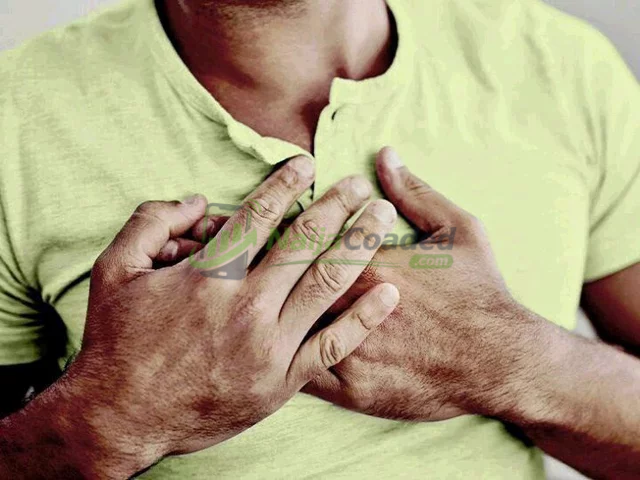
Heart failure does not happen overnight. In many cases, the body gives early warning signs weeks or even months before the condition becomes life-threatening. Unfortunately, many people ignore these symptoms, mistaking them for stress, ageing, or minor illness.
Here are key symptoms that may indicate your heart is gradually failing, and why you should never ignore them.
1. Persistent Shortness of Breath..To Read The Full Content; Tap Here Now .
If you feel breathless during simple activities like walking, climbing stairs, or even lying down, it could mean your heart is not pumping blood efficiently. Fluid may start building up in the lungs, making breathing difficult.
2. Unusual Fatigue and Weakness
Feeling constantly tired even after rest can be a warning sign. When the heart weakens, it struggles to supply enough oxygen-rich blood to muscles and organs, leading to exhaustion.
3. Swelling in the Legs, Ankles, or Feet
Heart failure can cause fluid retention, leading to noticeable swelling in the lower body. This happens because blood flow slows down and fluid leaks into surrounding tissues.
4. Rapid or Irregular Heartbeat
You may notice your heart racing, fluttering, or beating irregularly. This occurs as the heart tries to compensate for reduced pumping ability.
5. Persistent Cough or Wheezing
A chronic cough producing white or pink-tinged mucus can be a sign of fluid buildup in the lungs, often associated with heart failure.
6. Sudden Weight Gain
Rapid weight gain over a few days may result from fluid retention rather than fat. This is a serious sign and requires medical attention.
7. Reduced Ability to Concentrate
Poor blood circulation can affect the brain, leading to confusion, memory problems, or difficulty focusing.
What You Should Do Immediately
Seek medical attention promptly if you notice these symptoms
Do not self-medicate or ignore persistent signs
Adopt heart-healthy habits such as reducing salt intake, exercising moderately, and avoiding smoking
Follow prescribed treatments strictly if diagnosed early
Early detection and proper care can significantly slow disease progression and improve quality of life.