
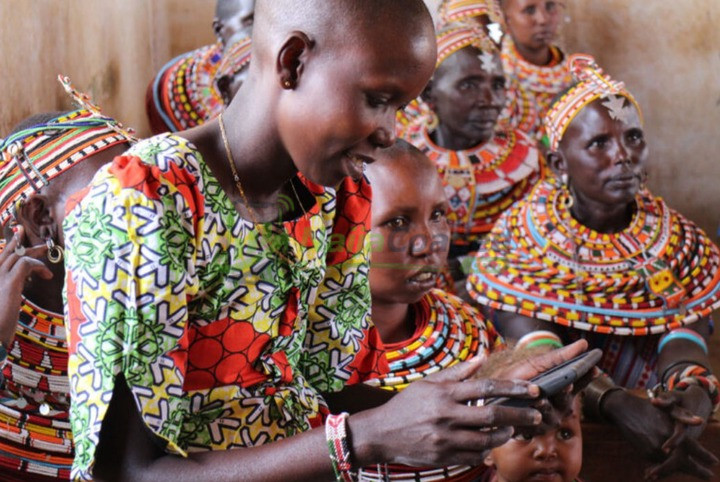
Deep in the arid landscapes of northern Namibia, where red earth stretches toward the horizon and cattle remain a symbol of wealth and status, the Himba people continue to preserve traditions that have been passed down through generations.
Among these customs is one of the most talked-about and misunderstood practices in Africa: Okujepisa Omukazendu, a tradition that translates to “offering a wife to a guest.”
For outsiders, the custom often sparks surprise, curiosity, and heated debate. However, within the Himba community, it has historically been viewed as a symbol of trust, hospitality, and social harmony...To Read The Full Content; Tap Here Now .
The Himba, a semi-nomadic pastoralist people closely related to the Zemba community, have lived in remote regions of Namibia for centuries. Their way of life revolves around livestock herding, family bonds, and strong cultural values that have remained largely intact despite modernization.
One tradition that has attracted global attention is the practice where a male host may offer his wife to a respected male guest for companionship during an overnight stay. If this occurs, the husband traditionally sleeps elsewhere, either outside the home or in a separate hut, while the guest is accommodated.
According to cultural historians, the practice was never intended as a casual arrangement but rather as a profound expression of trust and generosity. In a region where travelers often journeyed long distances through harsh environments, offering the highest level of hospitality was considered honorable.
Importantly, researchers note that the woman is not necessarily without choice. While social expectations and community norms can influence decisions, reports from cultural studies indicate that women may decline intimacy with a visitor if they do not wish to participate. This aspect, however, remains a subject of debate among anthropologists and human rights advocates.
Community elders have long argued that the tradition strengthens social relationships between families and clans. Some observers have also suggested that such customs may have historically contributed to genetic diversity within relatively isolated populations.
Despite its cultural significance, the practice has become increasingly rare as younger generations encounter modern education, urban lifestyles, and changing views about marriage and gender roles. Many Himba families today continue to embrace their cultural identity while adapting certain traditions to contemporary realities.
The discussion surrounding Okujepisa Omukazendu often raises broader questions about cultural preservation and respect. Supporters argue that traditions should be understood within their historical and cultural context rather than judged solely through modern perspectives. Critics, meanwhile, question whether customs involving marital arrangements fully protect women’s autonomy and rights.
Visitors to Himba villages are often encouraged to approach such topics respectfully, recognizing that cultural practices can carry meanings far deeper than they initially appear. What may seem unusual to outsiders can represent centuries of social values, survival strategies, and community relationships.
As globalization continues to influence even the most remote communities, the Himba people’s traditions remain a fascinating reminder of humanity’s cultural diversity. Whether viewed as a remarkable act of hospitality or a practice that invites important conversations about gender and tradition, Okujepisa Omukazendu continues to captivate scholars, travelers, and curious readers around the world.