
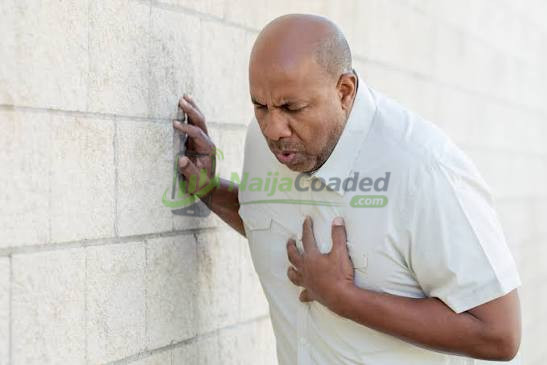
Heart problems do not always begin with severe chest pain. Some warning signs can be mild, unusual or easy to mistake for everyday tiredness, indigestion or stress.
Recognizing possible warning signs early is important because some heart conditions require urgent medical attention.
Here are 11 symptoms you should not ignore...To Read The Full Content; Tap Here Now .
1. Chest pain or pressure
Pain, tightness, squeezing, pressure or discomfort in the centre of the chest can be an important warning sign, particularly when it lasts for several minutes or comes and goes.
2. Shortness of breath
Unexplained difficulty breathing, especially when it occurs with chest discomfort or during activities that normally would not leave you breathless, should be medically assessed.
3. Pain spreading to the arm
Heart-related discomfort can spread from the chest to one or both arms. It may also affect the shoulder.
4. Pain in the jaw, neck or back
Discomfort in the jaw, neck or back can sometimes accompany a heart attack, even when chest pain is not severe.
5. Unusual tiredness
Extreme or unexplained fatigue can sometimes occur with heart problems. It can be particularly easy to overlook when there are no obvious symptoms.
6. Dizziness or lightheadedness
Feeling suddenly faint, dizzy or unusually lightheaded may occur during some heart-related emergencies, especially when accompanied by other warning signs.
7. Cold sweating
Breaking out in an unexplained cold sweat can be another warning sign of a heart attack.
8. Nausea or vomiting
Nausea, vomiting or an upset stomach can sometimes accompany heart problems. These symptoms may be more easily mistaken for a stomach illness.
9. Rapid or irregular heartbeat
A racing, pounding or irregular heartbeat can have several causes, but persistent or severe palpitations should be evaluated by a healthcare professional.
10. Swelling in the legs or feet
Persistent swelling can have several causes, including problems affecting the heart, kidneys or circulation. Unexplained swelling should therefore be assessed rather than ignored.
11. Reduced ability to perform normal activities
If ordinary activities suddenly leave you unusually exhausted or breathless, it may be worth discussing the change with a healthcare professional, particularly if it continues or gets worse.
When to seek emergency help
Do not wait to see whether symptoms disappear if you experience possible heart attack warning signs such as chest pressure or pain, shortness of breath, pain spreading to the arms, back, neck or jaw, cold sweating, nausea or lightheadedness.
Heart attacks can sometimes begin with mild symptoms, and some can occur with symptoms that are unusual or barely noticeable. Getting urgent medical attention can be critical. (www.heart.org )
These symptoms do not automatically mean that someone has heart disease. They can have many other causes. However, persistent, severe or sudden symptoms deserve medical attention rather than self-diagnosis.
If you are experiencing severe chest pain, difficulty breathing, fainting or other possible heart attack symptoms right now, seek emergency medical care immediately.