
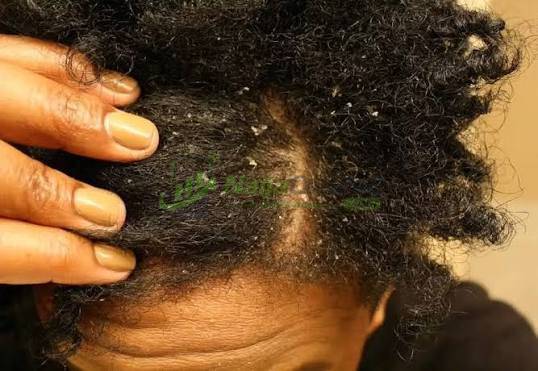
Dandruff can be annoying, especially when white flakes appear on your hair, scalp or clothing. The good news is that mild dandruff can often be managed at home with the right scalp-care routine.
Dandruff is common and is not usually harmful or contagious. It can be associated with oily skin, certain scalp conditions, hair-care habits and naturally occurring yeast on the skin. (American Academy of Dermatology )
Here are practical ways to control dandruff at home...To Read The Full Content; Tap Here Now .
1. Wash your hair regularly
Regular washing can help remove excess oil, dead skin and product buildup from the scalp. How frequently you should wash depends on your hair type and how oily your scalp becomes.
People with oily scalps or straight, fine hair may need to wash more frequently, while people with curly or coily hair may need less frequent washing. (American Academy of Dermatology )
2. Use an anti-dandruff shampoo
If ordinary shampoo is not controlling the flakes, consider an anti-dandruff shampoo.
Common active ingredients include ketoconazole, selenium sulfide, salicylic acid, zinc pyrithione, sulfur and coal tar. Different ingredients work in different ways, so one product may work better for you than another. (American Academy of Dermatology)
3. Give the medicated shampoo enough time to work
Do not immediately rinse off a medicated shampoo unless its instructions tell you to.
Some dandruff shampoos need to remain on the scalp for several minutes before being rinsed away. Always follow the directions on the product label. (American Academy of Dermatology )
For ketoconazole shampoo, for example, NHS guidance says it is commonly used twice a week for two to four weeks when treating dandruff, followed by less frequent use if needed to prevent it returning.
4. Try another active ingredient if one does not work
Not every dandruff shampoo works equally well for everyone.
If one product does not improve your symptoms, dermatologists recommend trying or alternating products containing different active ingredients, while following the instructions for each product. (American Academy of Dermatology)
5. Avoid irritating your scalp
Be careful with hair products that cause burning, itching or irritation. Hair dyes, sprays, gels and other products can sometimes trigger scalp irritation or contact dermatitis, which can resemble or worsen flaking.
If a particular product consistently makes your scalp worse, stop using it and see whether your symptoms improve.
6. Protect your scalp from excessive sun exposure
A sunburned scalp can contribute to increased flaking. Some dandruff treatments, particularly coal-tar products, can also make the scalp more sensitive to sunlight.
If your hair is thinning and your scalp is exposed, consider protecting it with shade, a hat or appropriate sunscreen. (American Academy of Dermatology)
7. Give the treatment enough time
Dandruff usually does not disappear after one wash. Follow the recommended treatment routine consistently.
If symptoms have not improved after about four weeks of using an appropriate anti-dandruff shampoo, or if your scalp becomes very itchy, painful, red or swollen, seek medical advice.
When dandruff may need medical attention
Persistent or severe flaking is not always ordinary dandruff. Conditions such as seborrhoeic dermatitis, eczema, psoriasis, scalp ringworm and contact dermatitis can cause similar symptoms.
See a doctor or dermatologist if the problem continues despite treatment, becomes severe, causes significant itching or pain, or is accompanied by redness, swelling, unusual patches or hair loss. (American Academy of Dermatology )
The key to managing dandruff is consistency. A suitable anti-dandruff shampoo, regular scalp care and avoiding products that irritate your skin can help keep flakes and itching under control.