
Thankfully, there are ways to reverse and prevent the damage.
When it’s time for your routine dental cleaning, you’re probably surrounded by pictures of “smiling teeth” next to fruits, vegetables and toothbrushes.
You might curse yourself for not flossing more consistently, or you might feel self-conscious as the dental assistant picks at your gums. You might nervously hope to avoid hearing “you have a cavity.”..To Read The Full Content; Tap Here Now .
Person in dental chair receiving an oral examination from a dentist wearing gloves and a lab coat
Going to the dentist isn’t always fun, but being proactive about your dental health can help. When it comes to having strong, healthy teeth, there’s something that’s both under-discussed and important to know: Some surprising foods can be damaging.
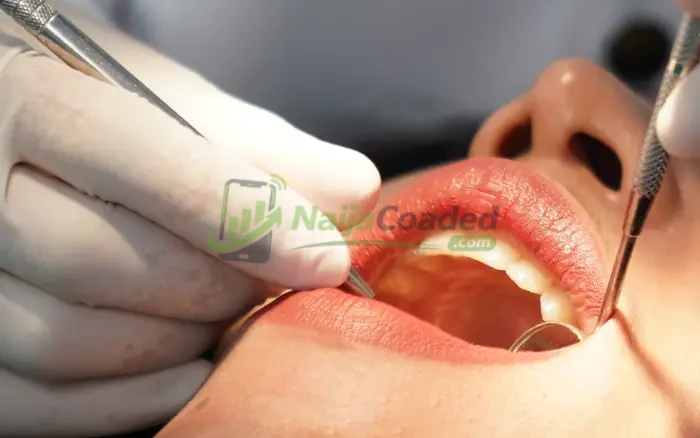
A dental professional wearing gloves examines a person's teeth, using a mirror and dental tool
Besides well-loved cheese snack crackers, we’re also talking about a certain food that can do wonders for your gut health. Ahead, dentists reveal what it is (and how it messes with your teeth), the safer version, and how to protect your teeth after eating it.
Close-up of a person's teeth showing signs of dental issues like plaque and uneven wear
This health food can damage your teeth.
The food in question, believe it or not, is yogurt.
Person smiling while holding a yogurt cup and spoon, standing by a window
“Although generally [a] ‘healthy’ snack, there are certain aspects of yogurt that can negatively affect teeth,” said Dr. Liel Grinbaum, a pediatric dentist and owner of Smiles + Grins in New York.
Person eating a bowl of yogurt with granola and sliced strawberries at a table
That comes down to one main reason: The sugar in it combines with bacteria in your mouth, producing acid, which is harsh on your chompers.
Person with a sugar cube in their mouth, smiling and showing teeth
“When the environment around a tooth becomes sufficiently acidic, minerals can begin leaving the enamel surface,” explained Dr. Jonathan Richter, a dual-trained holistic periodontist, prosthodontist and expert in implant dentistry. “Repeated acidic exposures can therefore contribute to enamel demineralization and, over time, erosion.”
Close-up of human teeth with visible plaque and discoloration, highlighting dental hygiene needs
Dental plaque at upper anterior teeth. Dental palque cause of gingival inflammation and dental caries.
Additionally, the toppings you might include — while nutritious — can cause further problems. “Sometimes, yogurts with toppings like granola, peanut butter, crunchy things or jam can stick to your teeth and prolong acid exposure,” added Dr. Lilya Horowitz, a general dentist and owner of Domino Dental in Brooklyn, New York.
Open jar of raspberry jam with a spoon on top, surrounded by fresh raspberries
What type of yogurt is best for teeth?
Don’t get us wrong: Yogurt isn’t all bad, even for your teeth. For example, a 2022 study found that yogurt intake is associated with a lower risk of tooth loss from periodontal disease.
Person smiling, holding a small glass of yogurt with a spoon. Casual green and white outfit visible
Plus, the kind you choose matters. Dentists recommend plain or unsweetened Greek yogurt.
Open yogurt container with a spoon inside
“If more sweetness is desired, consider adding whole fruit yourself,” Richter added. He cautioned against flavored yogurts, fruit-on-the-bottom yogurts, squeezable yogurts and drinkable yogurts.
Bowl of yogurt topped with granola, sliced kiwi, and chocolate pieces, with a spoon and a textured cloth beside it on a flat surface
For a more savory way to enjoy it, Horowitz suggested mixing Greek yogurt into a salad dressing or using it as a substitute for sour cream in soup.
A bowl of cucumber and onion salad with creamy dressing and dill, placed on a wooden table with a small bowl of additional dressing nearby
Grinbaum agreed that not all yogurt is completely bad for your teeth, encouraging the milk-based kind.“Milk (dairy) yogurt has natural calcium, phosphate and casein proteins, which are beneficial to the protection of enamel,” he said. “Nut-based yogurts can be fortified but do not contain the same natural proteins, and they usually contain some type of added sugars for flavoring.”
Person sprinkling granola on yogurt in a decorative bowl. Blueberries are on top. Juice and berries are nearby
Here’s how to protect your teeth after eating yogurt.
Still want to eat yogurt (maybe even the sugary kinds)? We can’t blame you. Dentists shared steps you can take to reduce the dental risk:
Man in a casual t-shirt enjoys a bowl of mixed fruit, standing by a wall with a thoughtful expression
Young adult man eating a fresh fruit and yogurt bowl for a healthy meal
Swallow the yogurt immediately rather than swishing or holding it in your mouth.
Rinse your mouth after eating it.
Chew sugar-free gum (xylitol gum) for about 20 minutes after eating it to stimulate saliva, which can clear food, buffer acids and return calcium and phosphate to the tooth surface.
Wait about 30 minutes to brush your teeth afterward.
Get regular dental checkups.
Use fluoride toothpaste if you’re at high risk for cavities.
Limit frequent exposure by eating a serving with a meal rather than repeatedly snacking or sipping on it over several hours.
To keep this message short and sweet, Richter concluded that yogurt’s dental effect depends on four things: the type of yogurt, amount of sugar, frequency of exposure and way it’s consumed.
Open yogurt cup with pink spoon on a textured blue and yellow surface. Flavor appears to be a berry or fruit blend
“The key is not to avoid yogurt altogether, but to understand which types are more tooth-friendly and how eating habits affect enamel and cavity risk,” he clarified. “Yogurt isn’t the enemy, but not all yogurt is equally friendly to your teeth.”